Vertical Storage Strategies in Minimalist Environments
Understanding the Importance of Vertical Storage
As urban living becomes more prevalent, the need for efficient vertical storage solutions has never been more critical. Homes in cities like New York, San Francisco, and Chicago often come with limited square footage, prompting inhabitants to rethink how they utilize space. Adopting a vertical storage strategy doesn’t just enhance functionality; it fosters a minimalist lifestyle that prioritizes simplicity and organization.
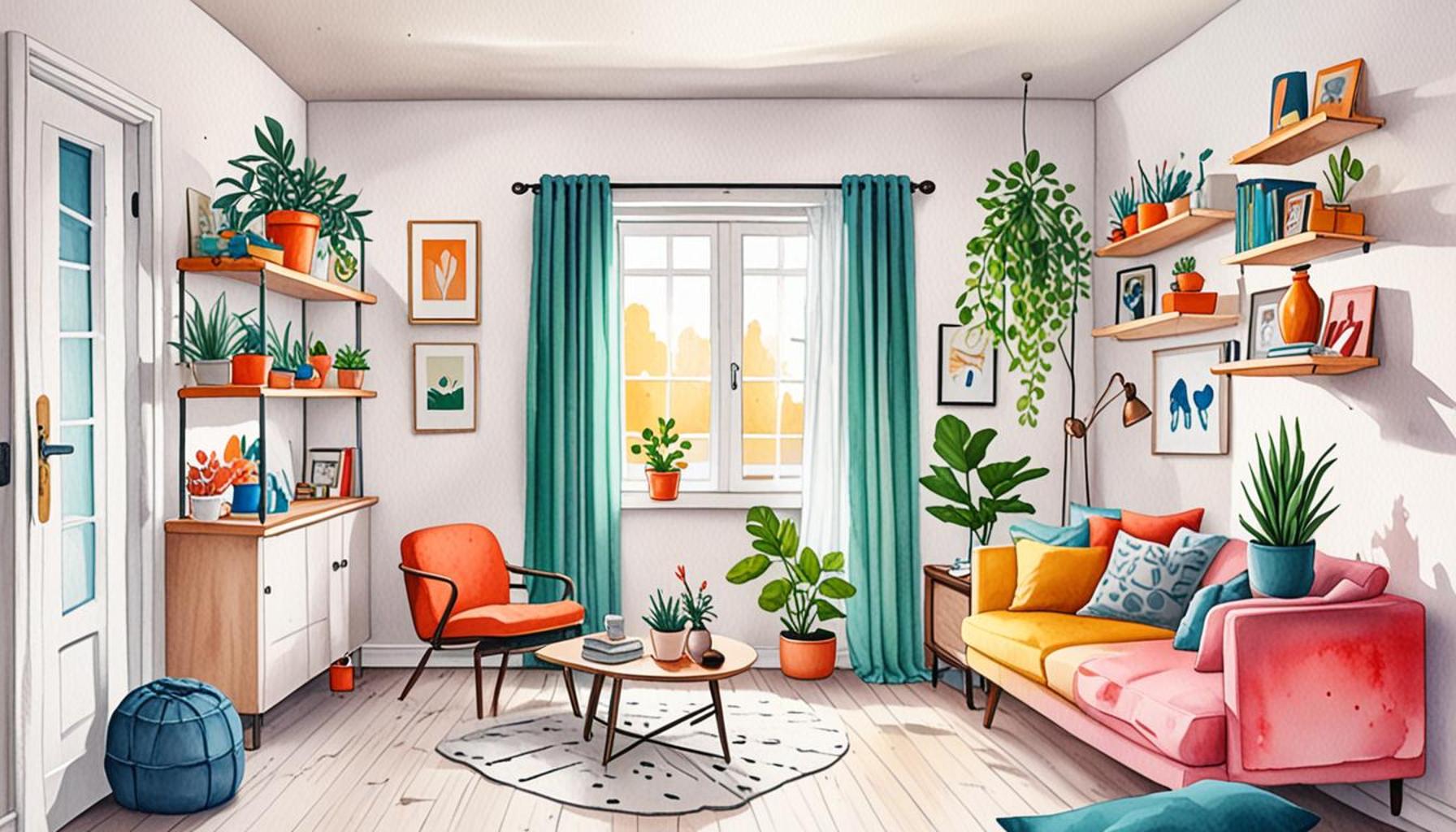
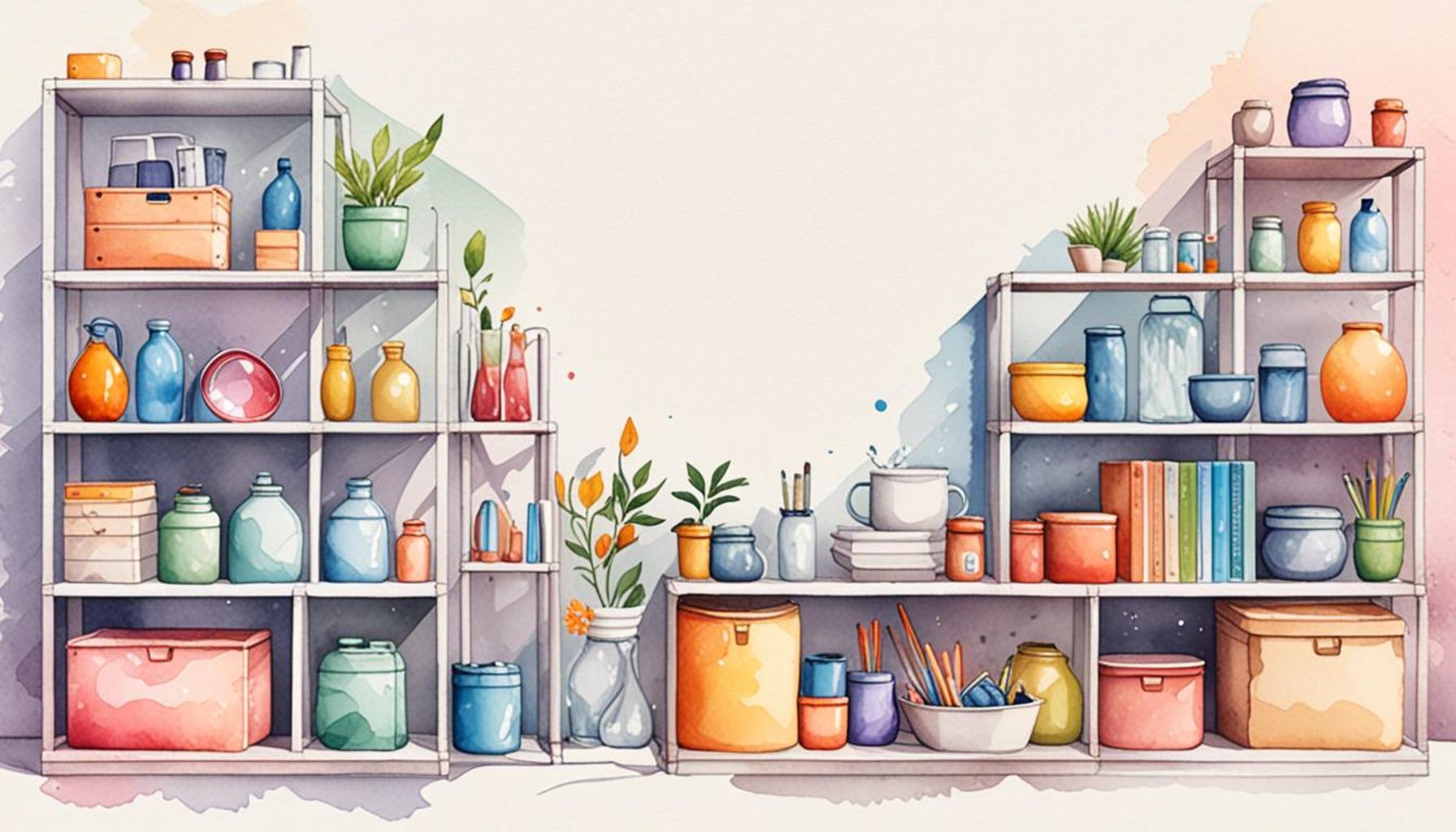
Space Efficiency is one of the most significant advantages of vertical storage. By using walls for storage, homeowners can free up floor space, making even the smallest apartments feel more open and spacious. For example, installing tall bookshelves or cabinets that extend to the ceiling can create additional storage without encroaching on precious living area. A simple ladder shelf can hold books, plants, and decorative items, utilizing vertical height to its fullest potential.
Another benefit of vertical storage is Organization. When items are arranged vertically, it’s easier to categorize and keep similar items together. For instance, a wall-mounted pegboard can be handy in a craft room or kitchen, allowing for easy visibility and access to tools and supplies. This organization makes everyday tasks simpler and reduces the time spent searching for items, aligning perfectly with the principles of a minimalist lifestyle.
Vertical Storage Solutions: Innovative Ideas
There are endless possibilities for effective vertical storage designs. Floating shelves, for instance, have gained popularity due to their sleek look and ability to create a focal point in a room. These shelves can serve as a place for artwork, books, or plants, transforming a plain wall into a lively display. In kitchens, installing wall-mounted racks for pots and pans not only saves cabinet space but also adds a rustic charm to the décor.
In addition to traditional shelving, even furniture can be designed to incorporate vertical aspects. Beds with built-in vertical storage drawers, or ottomans that open up to store blankets and other items, can be practical, offering utility without taking up additional space. Transforming furniture into multifunctional pieces is often a hallmark of the minimalist approach and is effective in maximizing small spaces.
Installation Tips and Style Inspirations
When considering vertical storage solutions, it is essential to focus on both aesthetics and functionality. To achieve a seamless look, choose storage elements that complement the existing décor. Color coordination, material selection, and style all play vital roles in creating a cohesive appearance. For example, sleek metal shelving can provide a modern touch in an industrial-themed apartment, while wooden pieces may fit better in a cozy, rustic home.
For those looking for ways to implement these strategies, try segmenting wall space into different storage zones. This can include a dedicated area for books, a section for photographs, and another for plants, combining function with visual interest. By doing so, it is possible to create a clean and organized environment that reflects a tranquil lifestyle.
In conclusion, the concept of vertical storage transcends mere space-saving techniques; it embodies a philosophy of mindful living. By integrating intelligent storage solutions, individuals can cultivate a serene home that aligns with their values and enhances their everyday experiences. Whether through DIY projects or curated design, embracing vertical storage may indeed be the key to unlocking a more minimalist lifestyle.
DISCOVER MORE: Click here for tips on maximizing small spaces
Innovative Vertical Storage Ideas for Small Spaces
In the quest to achieve a minimalist lifestyle, the challenge of maximizing storage in small spaces becomes a pivotal theme. Implementing vertical storage not only addresses the clutter that often accompanies various belongings but also introduces a world of creative possibilities. By harnessing the power of wall space, residents can transform their homes into efficient and visually appealing environments. Here are some innovative strategies and ideas to consider:
- Wall-Mounted Modular Units: These versatile setups offer adjustable shelving options that can be rearranged and customized to fit individual needs. Whether used in a living room to display books and art or in an office for organization, wall-mounted modular units can adapt to the changing dynamics of a minimalist lifestyle.
- Vertical Garden Systems: For those who cherish greenery but lack floor space, vertical gardening systems allow for an infusion of nature without the footprint. These units come in various designs, from wall-mounted planters to hanging pots, enabling individuals to cultivate herbs, succulents, or flowers in a space-efficient manner.
- Over-the-Door Organizers: Making use of often-overlooked areas, these organizers can hold everything from shoes to pantry items, utilizing doors for extra storage. In an environment where every inch counts, this strategy allows for easy access while keeping essentials neatly tucked away.
- Ladder Shelves: A favorite among interior design enthusiasts, ladder shelves not only serve a practical purpose but also add an aesthetic touch to any room. Their tall and slender form means they can fit snugly against walls, perfect for displaying a combination of books, decorative items, and plants without consuming too much space.
- Ceiling-Mounted Storage: For items that are not frequently used, ceiling-mounted storage solutions—like overhead racks in garages or utility rooms—can free up floor areas while storing seasonal decorations, camping gear, or sporting equipment.
Each of these vertical storage ideas contributes to a minimalist ethos by emphasizing functionality and simplicity. With the right designs in mind, individuals can maintain a clean and orderly environment that reflects their commitment to minimalist living.
Combining Aesthetics with Utility
The journey to a more organized space doesn’t stop at merely adding storage solutions; it requires careful consideration of aesthetic appeal as well. Harmonizing storage solutions with the home’s decor can elevate the overall ambiance of a minimalist environment. For example, opting for a color scheme that aligns with the walls can create a seamless appearance, while unique materials can foster an intriguing visual contrast.
Furthermore, incorporating open shelving can allow the display of cherished items, turning a storage solution into a design feature. This method encourages mindful curation of belongings, aligning with the principles of minimalism where only items that serve a purpose or bring joy hold a place within the home.
In summary, the potential of vertical storage strategies extends far beyond meeting basic needs; it sets the stage for an artfully organized, serene living environment that speaks to the tenets of a minimalist lifestyle. The thoughtful integration of these ideas not only enhances practical usability but also reflects a cultivated sense of style, ultimately enriching the day-to-day experience of urban dwellers.
| Category | Key Features |
|---|---|
| Utilization of Wall Space | Using shelves, pegboards, and hooks to keep floors clear. |
| Functionality & Aesthetics | Combining utility with style, enhancing visual appeal. |
| Multi-Purpose Furniture | Furniture that serves as storage and functional pieces. |
| Smart Organization | Strategic placement and categorization for easy access. |
Vertical storage strategies in minimalist environments focus on enhancing space efficiency while maintaining a clean and uncluttered aesthetic. One effective approach is the utilization of wall space, where shelves, pegboards, and hooks come into play, allowing items to be stored vertically and freeing up valuable floor space. The functionality and aesthetics of vertical storage not only serve a practical purpose but also elevate the overall design of the environment, offering visual harmony.Implementing multi-purpose furniture is another key strategy. Items such as storage ottomans or beds with built-in drawers allow for maximum utility without sacrificing style. Additionally, smart organization techniques assist in maximizing vertical storage by employing strategic placement and categorization of items, ensuring that everything has its designated spot, leading to swift access and an organized living space.These strategies will not only optimize your environment but also inspire you to rethink how you interact with your space. As you explore vertical storage options, consider the mix of function and style to transform your minimalist setting into a sanctuary of efficiency and clarity.
DISCOVER MORE: Click here to delve deeper
Functional Design Innovations for Enhanced Vertical Storage
As the minimalist movement continues to inspire individuals to streamline their lives, the role of vertical storage solutions in promoting both function and style has come to the forefront. In a world where urban living often means smaller living spaces, inventive designs are making it easier to utilize vertical areas effectively. Several evolving trends underline the importance of functionality intertwined with innovative aesthetics:
- Floating Desks: An exemplar of intelligent design, floating desks are perfect for small home offices or multipurpose rooms. They provide a workspace that can be easily tucked away when not in use, maintaining the uncluttered look that minimalism champions. Mounting a desk onto a wall frees floor space, allowing for greater movement within the room, and often encourages a more organized work environment.
- Multi-Function Furniture: Items such as ottomans that double as storage units or beds with built-in drawers maximize space efficiency while seamlessly integrating into the decor. These pieces can serve multiple purposes without sacrificing style, offering practical resolutions for small spaces. As consumers lean towards sustainable living, repurposing furniture to function in various capacities has become an essential consideration.
- Vertical Storage Carts: Rolling carts that can be stationed vertically become increasingly popular due to their adaptability. These units can be moved from room to room, thus facilitating easy access to items while still maintaining an organized, minimalist atmosphere. From kitchen supplies to art supplies, a vertical cart can serve as a mobile storage solution tailored to individual needs.
- Built-In Wall Closets: Rather than traditional free-standing wardrobes, built-in wall closets utilize vertical space while minimizing the physical footprint. This custom-touch enhances any room’s aesthetic and often involves clever sliding doors or pocket door designs that further optimize the limited square footage available.
- Library Ladders: For those with towering bookshelves or extensive collections, library ladders can add an element of sophistication. They not only enable easy access to high-mounted items but serve as a striking visual accent that adds character to any room. This functional yet stylish addition can evoke a sense of nostalgia while offering practicality in design.
Each of these innovations stands as a testament to the evolving nature of vertical storage strategies. They illustrate how functionality can coexist with aesthetically pleasing designs, enabling residents to curtail clutter in ways that highlight creativity and personal expression.
Utilizing Vertical Space in Unique Ways
Aside from traditional storage methods, incorporating unconventional solutions can yield remarkable results. One popular trend is the use of staircases not merely as a means of elevation but as an essential storage element. Utilizing the space beneath stairs with built-in drawers or shelving can turn an often-neglected area into a valuable storage and display option.
Additionally, corridors and entryways—often considered transitional spaces—can be transformed into functional storage zones. Installing slim vertical racks or coat hooks not only conserves space but also enhances the usability of these areas, making it easier to keep essentials like jackets and bags organized but easily accessible.
Finally, integrating art and decor into vertical storage strategies can create a personal sanctuary reflective of individual style. Using vertical grid systems or pegboards allows for hanging art, tools, or even kitchen utensils in a visually appealing manner. This method celebrates the beauty of organization and offers an opportunity for continual evolution of one’s decor.
In a society that increasingly values simplicity and functionality, adopting innovative vertical storage solutions can revolutionize how individuals approach their living spaces. As these strategies continue to evolve, they invite exploration and creativity, paving the way for a life well-organized and elegantly minimal.
DISCOVER MORE: Click here to dive deeper
Conclusion: Embracing Vertical Solutions for a Minimalist Tomorrow
In an era where urbanization compresses living spaces, vertical storage strategies have emerged as vital tools for maximizing efficiency without sacrificing style. The integration of innovative design solutions—ranging from floating desks and multi-function furniture to creatively used corridors and stairs—not only transforms how we utilize space but also redefines our relationship with our belongings. By focusing on verticality, we can declutter our homes while maintaining the minimalist aesthetic that resonates with modern lifestyles.
The ability to capitalize on vertical space serves as a potent reminder that functionality and beauty can coexist harmoniously. The versatility of items such as library ladders or vertical storage carts showcases that practical storage solutions need not be unsightly; they can be transformative design elements that enhance both the livability and ambiance of a space. Furthermore, incorporating art and decor into these storage concepts personalizes environments, merging organization with creativity.
As we continue to re-evaluate our living circumstances amid evolving societal values, embracing these vertical strategies can lead to a more intentional and enriched lifestyle. Exploring these innovative approaches not only offers an opportunity to maximize our living spaces but also invites us to create a home that is uniquely reflective of who we are. The future of minimalist living is undoubtedly tall, and the solutions we uncover today will set the tone for harmonious living tomorrow.