The Role of Emotional Detachment in Embracing Simple Living
Exploring Emotional Detachment in Simple Living
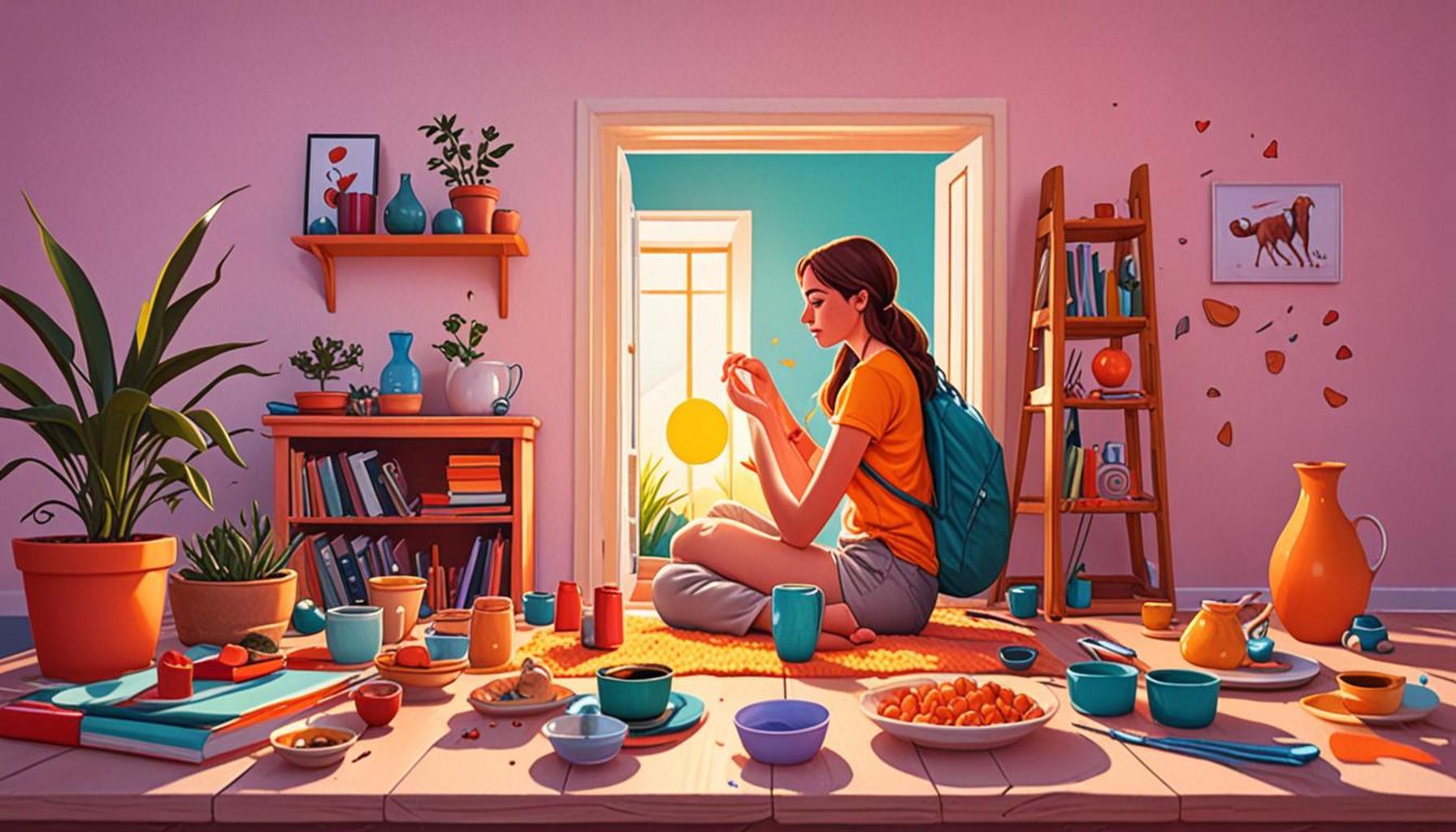
The journey towards Simple Living often begins by decluttering physical spaces, but emotional detachment plays a critical role in this process. A deep connection to possessions and emotional baggage can hinder personal growth and the pursuit of a minimalist lifestyle. Understanding how to let go of these attachments is essential for achieving true simplicity.
Embracing this concept not only enhances personal organization but also contributes to mental well-being. By adopting a mindset that prioritizes experience over possessions, individuals cultivate a life that is focused on joy and fulfillment. This transformation is particularly relevant in today’s consumer-driven society.
In this article, we will uncover the top 5 benefits of practicing emotional detachment while pursuing a minimalist lifestyle, including:
- Increased mental clarity
- Improved relationships
- Enhanced focus on personal goals
- Greater peace of mind
- Reduction in stress and anxiety
Prepare to delve into the profound connection between emotional detachment and Simple Living, and discover how embracing this mindset can lead to a more fulfilling life.
Top 5 Reasons Why Emotional Detachment is Essential in Simple Living
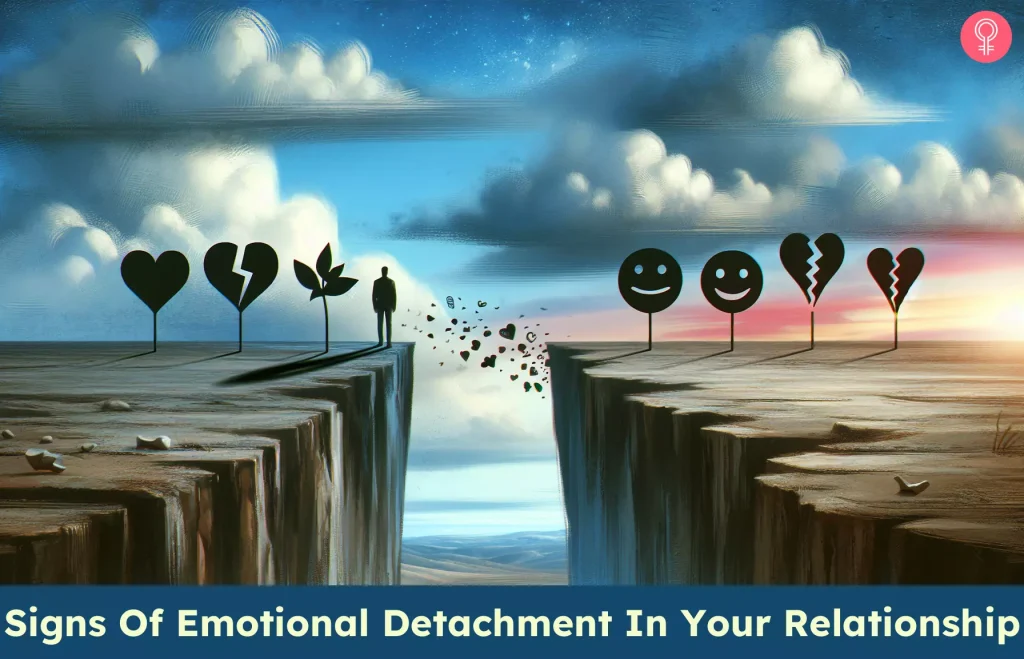
In a fast-paced, cluttered world, the concept of emotional detachment is often misunderstood. Perceived as apathy or a lack of empathy, it can instead be a crucial component of a fulfilling life when approached through the lens of Simple Living. As our society becomes increasingly laden with both physical clutter and emotional noise, learning the art of letting go becomes pivotal. Here, we dive into why emotional detachment is not only beneficial but essential in cultivating a lifestyle that prioritizes simplicity, ranked from five to one.
5. Better Decision-Making
Making sound decisions in a hectic world can be challenging, particularly when emotions cloud judgment. However, an emotionally detached approach provides enhanced decision-making capabilities. This detachment does not mean ignoring or suppressing emotions but rather acknowledging them without allowing them to dominate. Imagine standing in a crowded digital marketplace, bombarded by choices and emotions. Here, emotional detachment serves as a filter, allowing reason and logic to guide you. By minimizing emotional clutter, decisions about possessions, relationships, or career paths become clearer and more effective. The result? Better life choices and fewer regrets.
4. Increased Focus on What Truly Matters
In the pursuit of a minimalist lifestyle, we often hear about discarding the excess to focus on essential elements. Emotional detachment plays a pivotal role in this practice by honing our ability to prioritize genuinely important aspects of life. As we detach from non-essential emotions and material bonds, the fog lifts, revealing what truly matters—be it nurturing relationships or pursuing passions. This clarity translates into energy being redirected towards personal growth and meaningful connections. For instance, consider the simple act of prioritizing deep conversations with loved ones over mindless screen time. Such a shift bolsters engagement with life’s meaningful moments.
3. Reduced Stress and Anxiety
Stress and anxiety are often by-products of holding onto emotional baggage. Emotional detachment offers a path to alleviating these feelings. By consciously letting go of unhealthy attachments, we declutter our minds, paving the way for serenity and balance. Consider the mental load of harboring grievances or festering in past disappointments—it can consume and incapacitate, leaving little room for joy or peace. Practicing detachment is akin to clearing out an overfilled room; as you discard unnecessary items, space is created for tranquility and renewed perspectives. Thus, emotional detachment helps construct an internal environment where simple living is sustainable and satisfying.
2. Enhanced Self-Discovery
Perhaps one of the most rewarding benefits of emotional detachment is greater self-discovery and awareness. This practice encourages introspection and authentic living. By sidestepping conditioned emotional responses, we can explore our true selves free from societal pressures and expectations. Imagine peeling away layers of externally imposed beliefs to discover genuine passions and desires. This journey towards authenticity is a cornerstone of Simple Living, as it encourages values-aligned living. Instead of chasing external metrics of success, we find fulfillment in daily activities that resonate with our core values and identity.
1. Fostering a Grateful Mindset
At the heart of Simple Living lies a profound sense of gratitude, amplified through emotional detachment. By releasing what no longer serves us—whether material goods or stagnant emotional states—we make room for appreciation. Consider gratitude as the lens through which life’s vibrancy is enhanced. Letting go fosters appreciation for life’s simplicities—a sunny morning, a heartfelt conversation, or the smell of fresh air. Gratitude also builds resilience, providing strength to face life’s inevitable challenges. As emotional attachments dwindle, satisfaction with the present moment swells, enriching our experiences.
In embracing emotional detachment, the journey towards Simple Living becomes transformative. It invites us to reassess priorities and discover our true selves, leading to a life rich in experiences, joy, and gratitude. This approach fosters a lifestyle that is not only minimal in terms of possessions but abundant in meaning and fulfillment. By learning to detach emotionally, we open ourselves to new possibilities, leading to a profound appreciation of life’s subtleties and an enduring sense of peace.
| Category | Advantages Description |
|---|---|
| Emotional Freedom | By practicing emotional detachment, individuals can experience an invaluable sense of freedom, as they learn to let go of unhealthy emotional ties that weigh them down. This emotional lightness fosters a more peaceful daily experience. |
| Enhanced Focus | When emotional clutter is minimized, individuals can redirect their energy towards meaningful pursuits. This enhanced focus on the essentials allows for a more deliberate approach to living and better decision-making. |
| Improved Relationships | Practicing emotional detachment can lead to healthier relationships, as individuals begin to understand their own needs and boundaries. This deep self-awareness enables more authentic connections with others, built on trust rather than dependency. |
| Increased Resilience | With less emotional baggage, individuals are equipped to handle life’s challenges more effectively. The practice of simple living paired with emotional detachment cultivates a robust resilience, allowing one to adapt and thrive in difficult situations. |
Frequently Asked Questions about Emotional Detachment in Simple Living
How does emotional detachment relate to Simple Living?
Emotional detachment is often seen as a key component of Simple Living because it involves letting go of personal attachments that can complicate one’s life. By reducing emotional baggage, individuals can focus on what truly matters, facilitating a lifestyle anchored in simplicity and minimalism. Emotional detachment doesn’t mean you don’t care; rather, it allows you to manage emotions in a way that reduces stress and enhances freedom.
What are the benefits of emotional detachment in everyday life?
The practice of emotional detachment can lead to numerous benefits, especially in everyday life. It can help reduce anxiety by eliminating unnecessary emotional clutter and conflicts. This, in turn, leads to a more peaceful and focused mind, allowing individuals to develop deeper understanding and patience. Furthermore, it can foster more authentic relationships, as interactions are based less on neediness and more on mutual respect and understanding.
Can emotional detachment be harmful to relationships?
When misunderstood, emotional detachment might seem harmful, as it can be perceived as emotional coldness. However, when practiced correctly, it serves to enhance relationships by fostering personal growth and independence. Emotional detachment allows individuals to maintain their personal space while nurturing their connections with others. The key is balance; ensuring that emotional detachment enhances rather than hinders communication and affection in relationships.
How can one practice emotional detachment effectively?
Practicing emotional detachment effectively often involves self-reflection and mindfulness. Techniques such as meditation and journaling can aid in recognizing emotional attachments and letting them go. Setting clear boundaries and prioritizing emotional well-being are also crucial steps. In addition, familiarizing oneself with the principles of stoicism can offer insights into mastering emotions, creating a balanced approach to detachment.
Is emotional detachment possible for everyone?
While it may seem challenging for some, emotional detachment is a skill that can be cultivated by anyone willing to put in the effort. It requires a shift in mindset and a commitment to self-awareness. Regular practice, along with patience and persistence, can facilitate this transition. It’s important to remember that emotional detachment is not about eliminating emotions entirely but managing them effectively to live a more fulfilled life.
Conclusion: Embracing Emotional Detachment for a Simpler Life
The journey of emotional detachment in the practice of Simple Living is an intricate and rewarding process. By understanding the significance of letting go, individuals can embrace a lifestyle that prioritizes peace and intention. Throughout this discussion, we explored how emotional detachment fosters contentment, minimizes stress, and provides the freedom needed to cultivate a richer, more meaningful existence.
One of the core insights is that emotional detachment is not about abandoning emotions but rather about reshaping our relationship with them. This shift helps in reducing the clutter of emotional baggage, aligning with the minimalist ethos of eliminating excess to make room for what truly matters.
Final Thoughts: Aligning Values with Actions
For those committed to the principles of Minimalism and personal organization, emotional detachment becomes a tool of empowerment. It is essential to recognize that by releasing attachments, one’s clarity and focus on personal goals and values increase significantly. This pursuit of clarity and self-awareness enables us to manage our resources—be it time, attention, or material possessions—more discerningly.
In conclusion, the practice of emotional detachment serves as a vital catalyst in the quest for Simple Living. By adopting this mindset, individuals not only enhance their personal organization and well-being but also pave the way toward a more intentional and fulfilling life. As you continue your minimalism journey, consider delving deeper into the cultivation of emotional freedom, a venture that promises to enrich your understanding and practice of living simply.