The Impact of Conscious Possessions on Creating Inspiring Work Environments
The Impact of Conscious Possessions in Workspaces
In an age where work is often synonymous with hustle, the pursuit of a space that inspires and nurtures creativity cannot be overstated. Conscious possessions—the items we intentionally choose to surround ourselves with—become essential tools in crafting an engaging and motivating workplace. These deliberate choices can profoundly influence not only our productivity but also our mental and emotional well-being.
Examining the elements of conscious possessions sheds light on how they contribute to a stimulating work environment:
- Personalized Decor: Incorporating artwork, motivational quotes, and personal photographs into workspace design fosters a sense of connection. For example, a marketing firm might display framed images of their successful campaigns alongside employee achievements. This not only evokes a sense of pride but serves as a daily reminder of shared goals and aspirations.
- Functional Tools: The ergonomic design of furniture, such as chairs that support the lower back and desks that accommodate stand-up work, is vital in enhancing comfort during long hours. Quality office supplies, such as smooth-writing pens or organized planners, can streamline processes and eliminate distractions. Choosing such tools can lead to a more focused and effective workday.
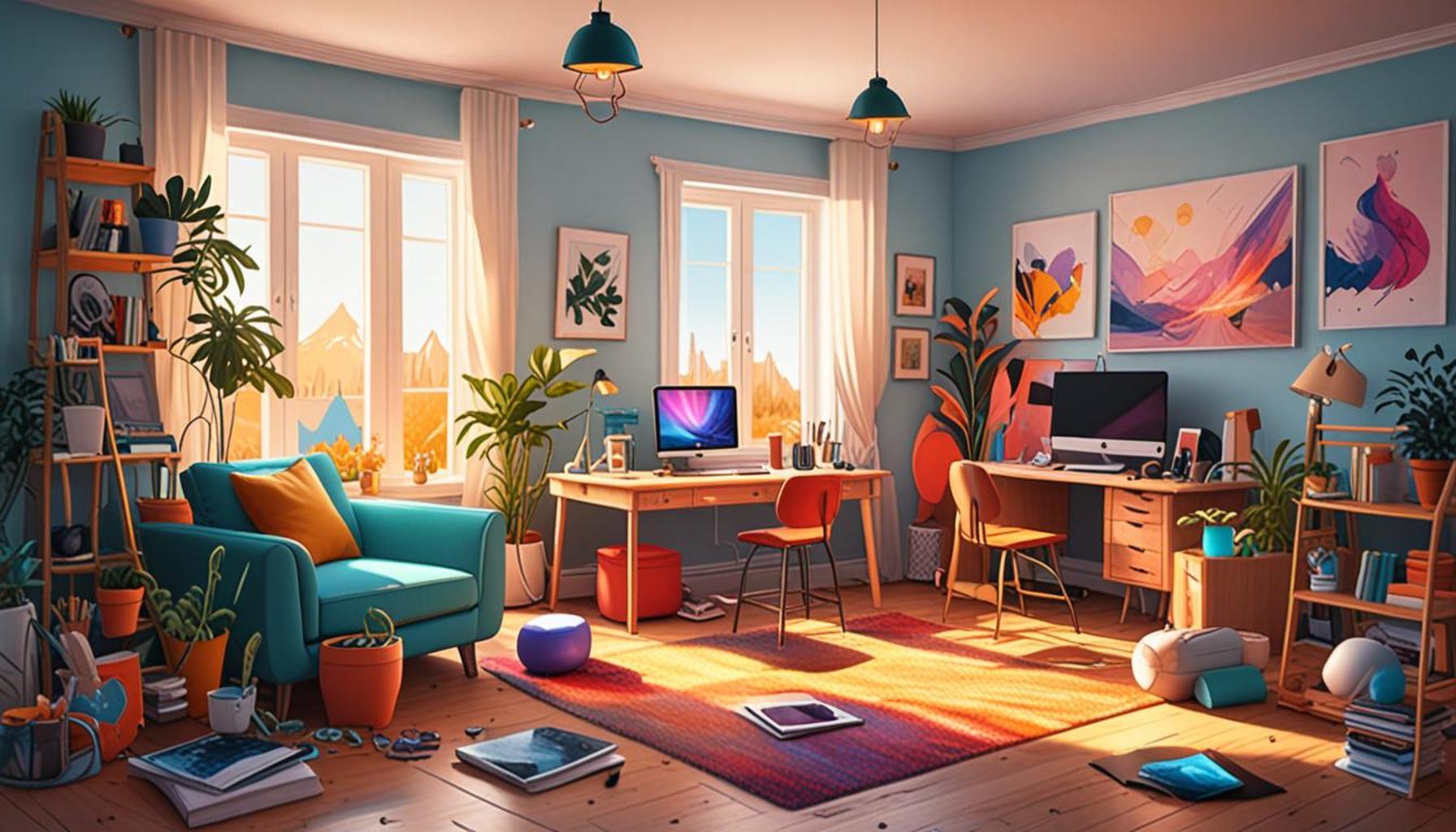
- Mindfulness Elements: Bringing nature indoors through plants can significantly impact mood and stress levels. A study conducted by the University of Exeter found that employees in green office spaces reported a 15% increase in well-being. Additionally, maximizing natural light with large windows not only improves the aesthetic of the office but also boosts productivity by aligning with our natural circadian rhythms.
Research underscores that the physical environment influences mental states more profoundly than many realize. A study from the American Psychological Association reveals that workplaces that encourage personalization lead to heightened job satisfaction, engagement, and ultimately, lower turnover rates. When employees feel represented in their environment, they are less likely to experience burnout, fostering a culture of resilience and innovation.
Delving deeper into the realm of conscious possessions illustrates how these choices foster a sense of collective identity within a workspace. For instance, companies like Google and Facebook have adopted a philosophy of creative expression through their office layouts, encouraging employees to personalize their workstations. This blend of individuality with collective engagement not only spurs unimaginable productivity but also contributes to the overall success of the organization.
As we navigate an increasingly competitive business environment, understanding the profound impact of our surroundings becomes imperative. Are you ready to consider how the choices you make about the items and elements in your workspace could redefine your experience and enhance your professional journey?
DIVE DEEPER: Click here to discover more about conscious consumerism
Transforming Workspaces with Conscious Choices
The way we curate our workspaces can significantly influence not only our productivity but also our overall job satisfaction. This concept of conscious possessions extends beyond mere aesthetic choices; it encompasses a thoughtful selection of items that reflect personal values, inspire creativity, and foster collaboration. With that understanding, let’s explore how incorporating intentional elements into our work environments can elevate collective morale and create spirited workplaces.
To begin, consider the importance of creating a narrative through your workspace. Each item carries a story, and when chosen mindfully, they can articulate shared values and missions. A law firm, for instance, might display historical documents of landmark cases to remind employees of their legacy and commitment to justice. Such choices help forge connections among team members, establishing a sense of belonging and shared purpose.
In addition to symbolism, the physical attributes of our conscious possessions play a crucial role in enhancing mental engagement. Below are several ways in which intentional selections can reshape work environments:
- Color Psychology: The color palette of a workspace can evoke specific emotions and behaviors. Research indicates that colors like blue promote tranquility and focus, while yellow sparks creativity. A tech startup might opt for bright, vibrant colors to induce energy and innovation, while a consulting firm may lean towards neutral shades to communicate professionalism and calmness.
- Collaborative Spaces: The integration of collaborative areas encourages teamwork and spontaneous interaction. Designing open spaces with comfortable seating areas, whiteboards for brainstorming, and casual meeting spots can lead to unexpected collaborations and idea generation. A magazine publisher that incorporates lounge areas for informal brainstorming sessions often finds that such spaces nurture creativity and lead to exciting new content ideas.
- Sentimental Objects: Personal items that remind employees of their life outside of work—family photos, travel mementos, or even souvenirs from past experiences—can provide comfort and enhance mental well-being. By allowing employees to personalize their workstations, companies are signaling that they value and support their whole selves, which can lead to higher engagement levels.
As we delve deeper, it’s essential to recognize that the impact of these conscious possessions is not superficial. A report published by the Design Council reveals that a well-considered workspace can enhance employee satisfaction by up to 33%, showcasing that a thoughtfully designed environment can yield tangible benefits for both employees and employers. When individuals feel comfortable and inspired by their surroundings, they are more likely to invest their fullest selves in their work, leading to increased performance and innovation.
In examining these aspects, it becomes clear that our work environments are both a reflection of and a catalyst for the values we hold dear. As organizations look to cultivate inspiring atmospheres for their teams, the choices made regarding conscious possessions become increasingly vital. Are you prepared to embark on the journey of transforming your workspace into an oasis of inspiration and productivity?
| Category | Description |
|---|---|
| Intentional Selection | Choosing furnishings and decor that reflect personal values can foster a sense of ownership and pride in the workspace. |
| Enhanced Creativity | Thoughtfully chosen objects can inspire innovative thinking by surrounding employees with meaningful visuals. |
| Positive Vibes | Conscious possessions create a welcoming atmosphere, boosting morale and encouraging collaboration among team members. |
| Personalization | Allowing individuals to personalize their spaces leads to greater job satisfaction and a deeper sense of belonging. |
As we delve deeper into the theme of “The Impact of Conscious Possessions on Creating Inspiring Work Environments”, it becomes increasingly clear that the way we curate our surroundings can significantly influence our productivity and creativity. By making intentional selections in decor and office furnishings, employees reflect their values and aspirations, creating spaces that excite and motivate. Moreover, this conscious approach not only enhances creativity but also fosters an environment conducive to innovative thinking, enriching workplace dynamics. The interplay between personal space and positive vibes contributes to a collaborative atmosphere where team members feel encouraged to engage and share ideas freely. Furthermore, the ability for individuals to infuse their workspaces with personalized touches leads to greater job satisfaction, reinforcing a deeper sense of belonging and commitment to the organization.Evolving paradigms within workplace design are all about understanding the profound connection between our possessions and our professional lives, urging us to create a workspace that is not just functional, but also profoundly inspiring.
DIVE DEEPER: Click here to discover more minimalist tips
The Role of Personalization and Nature in the Workspace
While the narrative and aesthetic aspects of conscious possessions are essential, the integration of personalization and natural elements within work environments amplifies the impact of these spaces on employee well-being and creativity. Personalization equips employees with a sense of ownership over their workspaces. When individuals have the freedom to incorporate items that reflect their personality—from artwork and motivational quotes to personal achievements and passions—they are likely to feel a greater connection to their work. This sense of ownership can increase motivation and productivity.
Moreover, studies reveal that when employees personalize their workstations, they report a significant reduction in stress levels. The American Psychological Association found that the presence of personalized items can transform an impersonal office setting into a warm, welcoming environment, enhancing overall job satisfaction. In practical terms, organizations could encourage this by providing opportunities for employees to decorate their workspaces or choose specific items that resonate with their unique identities, increasing happiness and job engagement.
In addition to personalization, the infusion of natural elements into the workplace can lead to dramatic improvements in employees’ mental health and productivity. Incorporating plants, natural light, and organic materials resonates with the practice of biophilic design, which seeks to connect individuals to nature in their everyday environments. Research indicates that offices with plants can improve air quality, reduce stress, and increase overall productivity by 15%. Companies like Google and Airbnb have successfully integrated these principles into their designs, creating open spaces filled with greenery, natural light, and outdoor views, leading to happier and more productive employees.
To build on this concept, consider the impact of community-focused conscious possessions in the workspace. Shared art installations or group projects can express the collective values and aspirations of the team. For instance, implementing a “Wall of Wisdom” where team members contribute inspirational quotes or personal success stories creates a shared space of knowledge and encouragement. This not only inspires individuals but also fosters a positive culture of support and collaboration, ultimately leading to improved team dynamics and productivity.
The psychological safety promoted by these practices is significant. A collaborative workspace adorned with shared art and personalized items fosters mutual respect and camaraderie, eliminating barriers among team members. According to a study by the Harvard Business Review, companies that embrace open and encouraging work environments lead to a 5% increase in business revenue. This demonstrates that the investment in conscious possessions is not merely cosmetic; it directly translates to measurable returns for organizations.
Finally, it’s essential to recognize the role of technology in modern workspaces. Thoughtfully chosen tech tools—be it smart lighting, ergonomic furniture, or collaboration software—also fall under the umbrella of conscious possessions. These elements must be integrated with intention, ensuring they enhance rather than detract from the atmosphere. A workplace equipped with technology that fosters seamless communication and collaboration can be highly effective in creating an inspiring environment that showcases the organization’s commitment to innovation and employee welfare.
DIVE DEEPER: Click here to uncover the impact of clutter on our minds
Conclusion: Elevating Work Environments with Conscious Possessions
In an age where workplace satisfaction is paramount, the impact of conscious possessions transcends mere aesthetics, emerging as a pivotal factor in cultivating inspiring work environments. By embracing personalization, organizations foster a deep sense of ownership among employees, paving the way for enhanced motivation, productivity, and psychological well-being. The integration of personal items not only lends a unique identity to workspaces but also diminishes stress levels, reflecting the findings from esteemed research by the American Psychological Association.
Furthermore, the infusion of natural elements such as plants and organic materials resonates profoundly with employees, affirming the principles of biophilic design. Companies like Google and Airbnb exemplify this approach, showcasing how an environment rich in greenery and natural light can lead to a remarkable uptick in productivity by as much as 15%. The communal aspect of conscious possessions, illustrated through shared art installations and collaborative projects, enriches workplace culture, nurtures respect, and encourages collaboration.
Ultimately, the pursuit of a supportive and creative workspace is not just about choosing the right decorations; it’s about aligning the workplace with the values and aspirations of its members. The deliberate curation of both personal and communal possessions, combined with thoughtful technological integrations, empowers organizations to create environments that genuinely inspire. As research suggests, the returns on these investments are palpable—enhancing employee satisfaction while simultaneously boosting productivity and company revenues. In the evolving landscape of work, conscious possessions herald a transformative approach that prioritizes employee well-being and innovation, setting the stage for a more inspiring and engaged workforce.