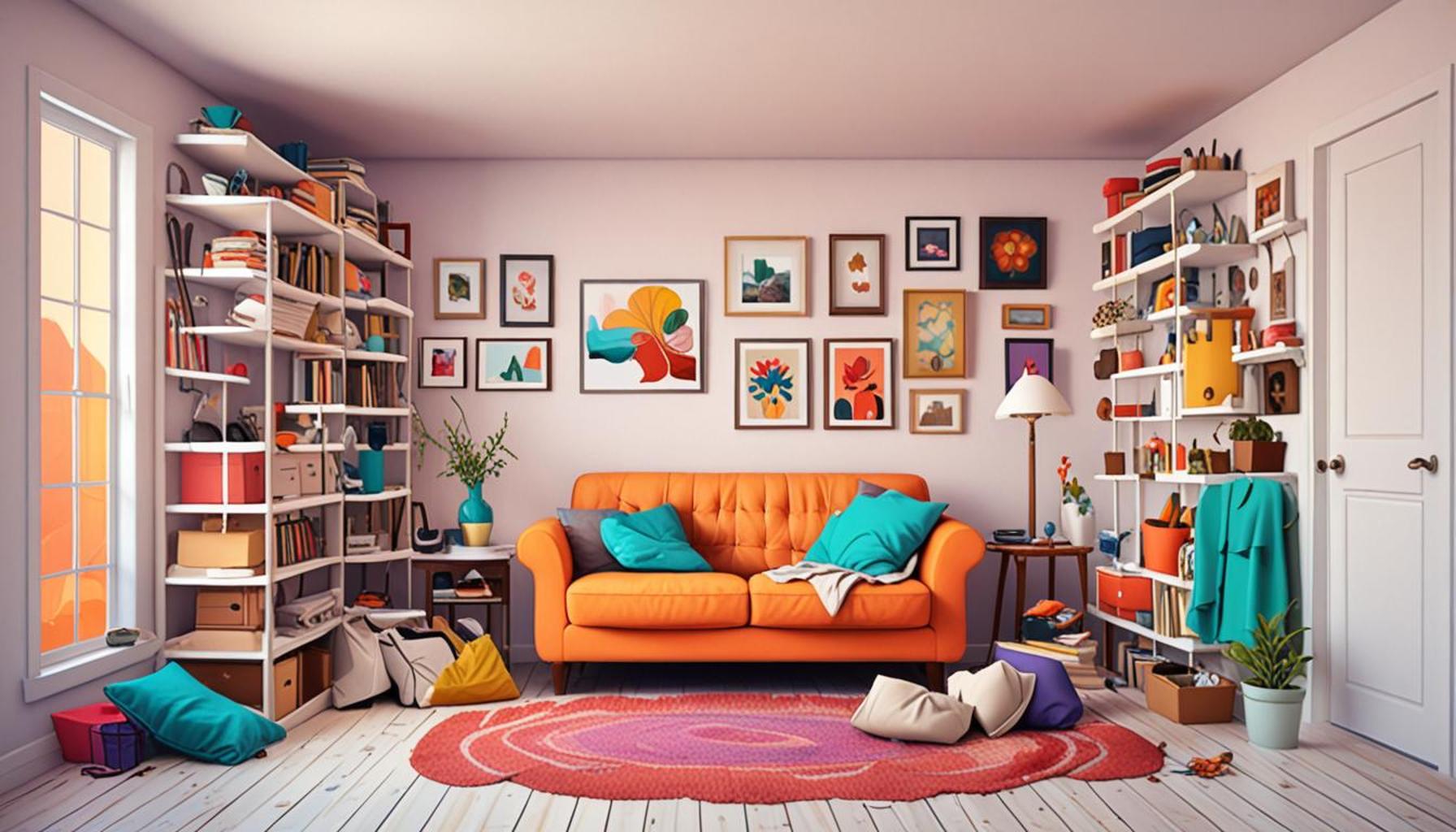
Mindful Possessions Transforming Lives in a Consumer-Driven World
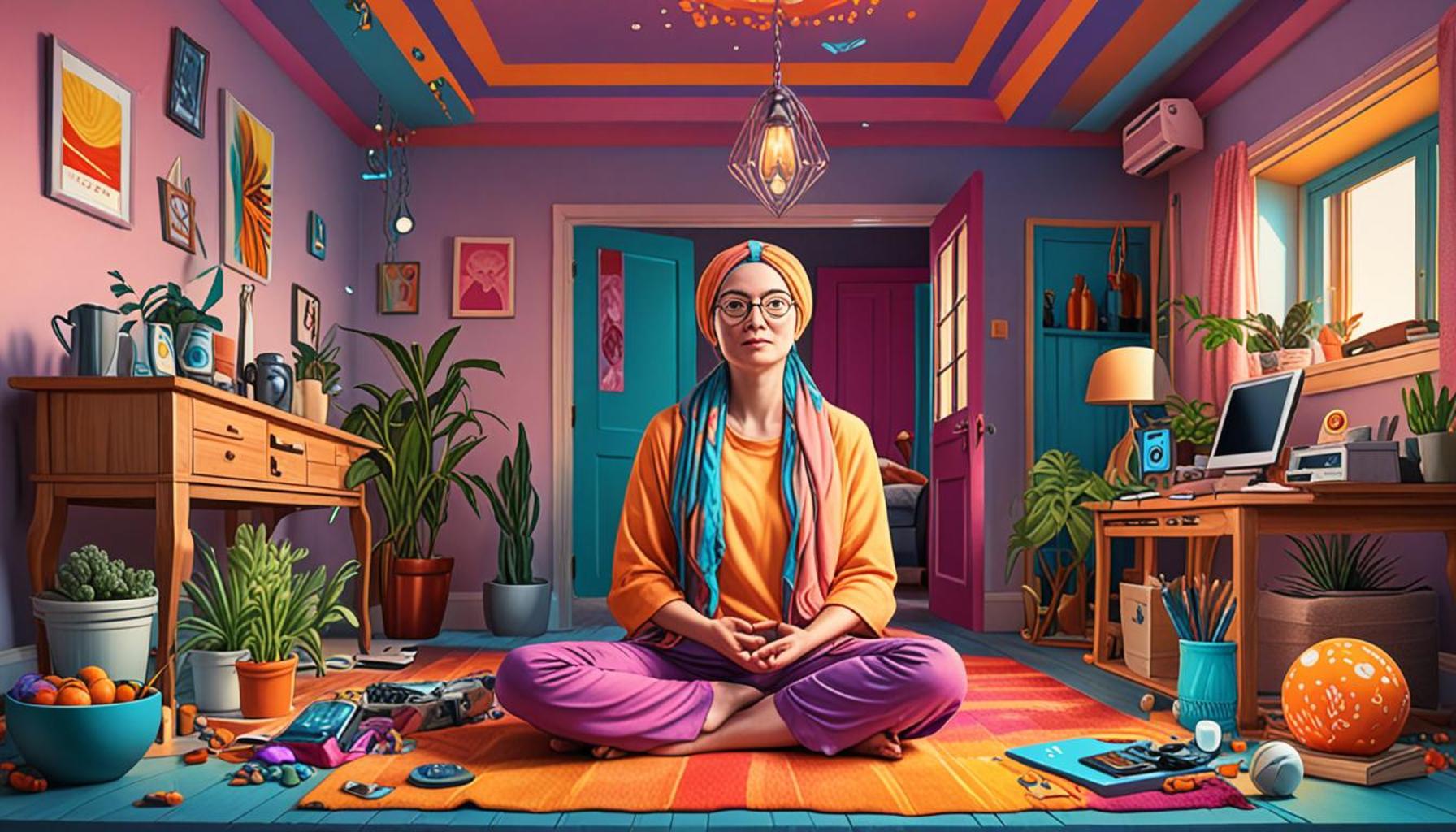
Redefining Value in a Consumer-Centric Society
In an era defined by excess and rapid consumption, the shift towards mindful possessions has never been more critical. As we navigate a society inundated with choices, the principles of minimalism and personal organization emerge as powerful tools for reclaiming our lives. This approach encourages us to curate our belongings thoughtfully, embracing only those that truly add value to our lives.
The Relevance of Mindful Living
Mindful possessions do more than declutter our physical space; they positively impact our mental well-being. By focusing on quality over quantity, we foster a more intentional lifestyle that prioritizes meaningful experiences over material accumulation. As we delve into this topic, consider how the choices you make about what you own can lead to profound transformations.
Discover the Top 5 Benefits
In this article, we’ll explore the top five ways that adopting mindful possessions can reshape our lives in a consumer-driven world. These benefits will highlight:
- Enhanced clarity in decision-making
- Reduced stress through decluttered environments
- The development of stronger emotional connections with belongings
- Increased sustainable living practices
- Empowerment through intentional choices
Join us on this journey to discover how embracing mindful living can not only enrich your life but also contribute to a more sustainable future.
Top 5: The Importance of Mindful Possessions – How Conscious Ownership Transforms Our Lives in a Consumerist World
In an era where consumerist influences permeate every aspect of life, the concept of mindful possessions emerges as a powerful counterbalance. Now, more than ever, individuals are reevaluating their relationships with material goods, opting for quality over quantity and intention over impulse. Mindful ownership is not merely a trend; it’s a transformative lifestyle choice that can lead to deeper satisfaction and harmony with oneself and the world. Here, we dive into the top five dimensions illustrating why conscious ownership is imperative in today’s fast-paced society.

5. Cultivating Gratitude through Minimalism
At the foundation of mindful possessions lies the cultivation of gratitude. The world of material abundance often spurs a groundless pursuit of more, yet minimalism teaches us to cherish the essentials. This approach shifts focus from what we lack to the abundance already present in our lives.
When we mindfully pare down our belongings to what truly matters, we find more joy in the ordinary. A favorite mug might signify morning rituals and calmness, while a cherished book evokes moments of reflection. With fewer distractions, our attention turns from accumulating goods to appreciating life’s simple pleasures.
- Gratefulness changes our perspective on daily life, allowing us to find contentment in simplicity.
- Fewer possessions shift focus from material acquisition to rich experiences, nurturing emotional depth.
- Mindful acknowledgment of our possessions enhances emotional well-being, promoting mental peace.
Gratitude not only enriches our mental health but also reshapes our relationship with the material world. By valuing each chosen item, we create an environment fostering intentional joy rather than overwhelming clutter.
4. Environmental Benefits of Mindful Ownership
The environmental ramifications of consumer behavior are undeniable. In the race for cheaper production and faster turnover, the planet often bears the brunt. Yet, mindful ownership turns our purchasing power into a force for good, emphasizing sustainability and consciousness.
- Mindful purchasing reduces generated waste as we buy only essentials.
- Supporting sustainable brands and ethical practices helps redirect focus from consumerism to environmental care.
- Emphasizing recycling and material reuse minimizes ecological footprints.
Every conscious choice we make is an ecological statement, asserting that quality supersedes quantity. As individuals opt for durable, sustainable goods, we take collective strides towards a healthier planet, ensuring the earth’s longevity for future generations.
3. Mental Clarity through De-Cluttering
Our external environment often mirrors our internal state. A chaotic, cluttered space can exacerbate feelings of stress and overwhelm, while a tidy, deliberate setting can usher in peace and focus. The pursuit of mental clarity through decluttering is a fundamental tenet of mindful ownership.
- Clear spaces foster clearer, more ordered thoughts, allowing for tranquility in daily routines.
- A less cluttered environment uplifts productivity and focus, paving the way for achievement.
- Enhanced mental clarity becomes a foundation for creativity and innovation, stimulating growth.
Decluttering is more than reducing physical items; it’s a gateway to mental liberation. By prioritizing essential belongings, we create room for fresh ideas and dynamic experiences, ultimately enhancing life’s quality.
2. Building Stronger Connections with Belongings
When possessions are selected mindfully, they transcend their role as mere objects. These items become an extension of our identities, embodying stories and values that are dear to us. This deeper connection fosters a greater sense of meaning in our lives.
- Meaningful possessions narrate our life stories, serving as tangible links to our past and aspirations.
- Such connections cultivate a sense of belonging and establish emotional heritage.
- Celebrating these items acknowledges personal growth and reinforces life achievements.
Through mindful ownership, objects gain significance as they begin to reflect personal journeys and collective heritage. This engagement with belongings enriches personal landscapes, deepening the well of reminiscences and pride.
1. Fostering a Sense of Purpose and Identity
At its core, mindful possession involves curating a life that aligns with our values. In today’s world, bursting with distractions and consumer pressures, focusing on conscious ownership anchors us in purpose and identity.
- Belongings resonant with personal values strengthen our identity, making way for reinforced self-esteem.
- A purposeful living space empowers goal alignment, nurturing ambitions and dreams.
- Adopting mindful living facilitates tranquility amidst life’s chaos, bolstering inner peace.
Mindful ownership transcends the superficial realm of material goods. It propels us on a journey of self-discovery and fulfillment, allowing for a life that is not only about acquiring but becoming—transforming ownership into a channel for personal evolution.
In conclusion, embracing mindful possession fundamentally extends beyond curating a collection of beloved objects; it invites a renewed understanding of purpose, sustainable living, and happiness. In a world deeply enmeshed in consumptive habits, conscious ownership emerges as a revolution of intention, heralding profound change in our lives and communities.
| Category | Details |
|---|---|
| Sustainability | Embracing conscious possession leads to a significant reduction in waste and carbon footprint, allowing individuals to contribute to a healthier planet. |
| Emotional Well-being | Mindful possessions can enhance mental clarity and reduce anxiety by minimizing distractions in our living spaces, leading to a more peaceful mind. |
| Financial Benefits | Purchasing intentionally can lead to significant savings, as it encourages investing in quality over quantity and reduces impulse buying. |
| Personal Growth | Cultivating mindfulness enables individuals to evaluate their true needs and desires, fostering a journey of self-discovery and personal development. |
The significance of owning with intention resonates deeply in today’s consumer-driven world. Each category in the table above highlights the transformative potential of mindful possessions. By aligning our ownership with our values, we not only improve our lives but also contribute positively to society and the environment.One of the standout categories is **Sustainability**. The act of being deliberate about what we own means less waste entering landfills and a smaller carbon footprint to consider. For example, supporting local artisans instead of mass-produced goods can foster a more sustainable economy, while simultaneously uplifting local communities.When it comes to **Emotional Well-being**, the space we inhabit greatly influences our mental state. By intentionally curating our environment to include items of quality and personal significance, we can create a sanctuary that nurtures our peace of mind. Decluttering is often an exercise in recognizing what truly adds value to our lives, leading to a healthier emotional state.The **Financial Benefits** of this approach cannot be overlooked. Mindful consumption urges individuals to purchase fewer but higher-quality items. This practice not only saves money in the long run but also shifts perspective towards valuing and maintaining possessions that truly matter.Lastly, the aspect of **Personal Growth** is perhaps the most profound. Through the process of identifying meaningful possessions, we embark on a journey of self-exploration. This practice empowers us to question our desires, discover what fulfills us, and aligns our possessions with our identity.In an era where consumerism often overshadows genuine needs, the exploration of mindful possessions offers an enlightening pathway toward a more meaningful life. Exploring these categories further can uncover deeper nuances in our connection with our belongings and the world around us.
Frequently Asked Questions About Mindful Possessions
What does it mean to possess mindfully in a consumerist society?
To possess mindfully means to be deliberately conscious and reflective about the things we own. In a world that often equates success and happiness with material abundance, this approach encourages individuals to evaluate their relationship with possessions. It is not just about owning less but owning what truly adds value to our lives. By practicing mindfulness in possessions, we can reduce unnecessary consumption and focus on what genuinely fulfills us. This shift can lead to more sustainable living and a reduction in the environmental impact of our consumer choices.
How can mindful possession influence our personal well-being?
Mindful possession has a profound impact on personal well-being by encouraging individuals to let go of the clutter in their lives and concentrate on the essentials. This practice can reduce stress and anxiety by eliminating the constant pressure to acquire more. When we are mindful of what we own, we are likely to feel more satisfied and grateful for the things we have. Studies suggest that this approach promotes mental clarity, reduces the desire for impulsive buying, and increases overall life satisfaction.
What steps can one take to start practicing mindful possession?
Starting a journey towards mindful possession involves several actionable steps. Begin by assessing your current belongings, identifying items that hold genuine value or purpose, and systematically decluttering those that do not. Focus on quality rather than quantity when purchasing new items, and consider the life cycle of the products you buy to ensure sustainability. Cultivate awareness by reflecting on the intention behind each purchase. Remember, mindful possession is an ongoing practice that evolves with time and experience.
Can mindful possession contribute to environmental conservation?
Yes, embracing the practice of mindful possession significantly contributes to environmental conservation. By being selective about the items we bring into our lives, we can reduce waste, lower our carbon footprint, and support eco-friendly production processes. When we consume with intention, we prioritize products that are durable, repairable, and recyclable. This conscious approach addresses the urgent need for sustainable living in response to the challenges posed by climate change and resource depletion.
Is mindful possession a new concept, or is it rooted in historical practices?
The concept of mindful possession is not new; it is rooted in various historical and cultural practices that emphasize simplicity and intentional living. Philosophies such as minimalism, Zen Buddhism, and even the teachings of Stoicism advocate for a life that is not governed by material possessions. These traditions highlight the importance of finding contentment in what is essential, a principle that is becoming increasingly relevant in today’s consumer-driven society.
Conclusion
In a world driven by consumerism, the concept of possessing mindfully emerges as a compelling antidote. By embracing the principles of minimalism and personal organization, individuals can transform their lives in profound ways. The journey begins with recognizing the psychological impact of clutter, which can lead to stress and anxiety. Through adopting a mindset centered on mindful acquisitions, we learn to prioritize quality over quantity, choosing items that truly resonate with our personal values and needs.
The article has explored how intentional living aligns closely with self-awareness. This not only enhances our mental well-being but also enables us to cultivate spaces that are physically and emotionally nourishing. Noteworthy is the idea that mindfully possessing items can lead to deeper satisfaction as it fosters a sense of gratitude and appreciation for what we already own. The act of decluttering and organizing our possessions encourages us to let go of what no longer serves us, creating room for what truly matters.
Furthermore, adopting mindful consumption practices can also have a positive influence on the environment. By reducing waste and promoting sustainable choices, we contribute to a healthier planet. This approach resonates well with supporters of minimalism who advocate for a lifestyle that minimizes excess and maximizes value and purpose.
Ultimately, the importance of mindful possessions lies in its potential to transform not just our personal spaces, but our overall approach to life’s choices. By cultivating a mindset that champions intentionality and conscious living, we can navigate a consumer-driven society in a way that honors both ourselves and the world around us. As individuals explore these transformative principles, they are invited to further engage and perhaps redefine their relationship with material possessions and personal organization.