Mindful Possessions: Strategies to Create a Home That Reflects Our Values and Priorities
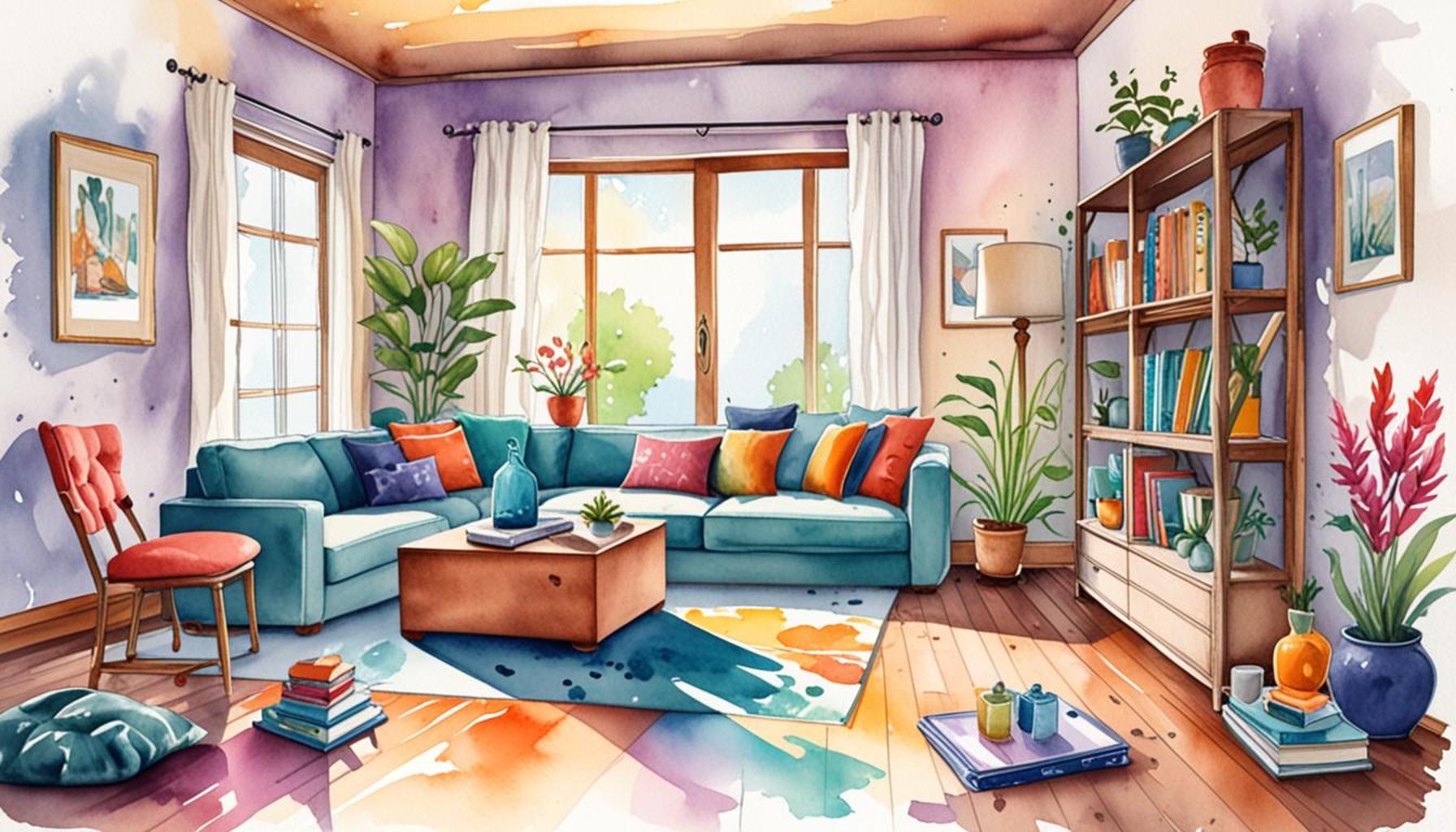
Creating a Home That Speaks to You
In a world filled with material excess, creating mindful possessions becomes essential. Our homes are a reflection of who we are, and the items we choose to surround ourselves with should resonate with our values and priorities. This process not only enhances our living space but also contributes to our overall well-being.
Imagine a living space that truly represents your essence. To achieve this, consider the following strategies:
- Evaluate Your Belongings: Regularly assess which items bring you joy and serve a purpose. For instance, take a weekend to go through your wardrobe. Notice which clothes you frequently wear versus those that languish at the back of your closet. This evaluation helps you understand what you truly cherish and what may be better suited for donation or recycling.
- Focus on Quality over Quantity: Invest in fewer, high-quality items instead of accumulating numerous possessions. For example, rather than purchasing multiple cheap furniture pieces, consider saving for a well-crafted sofa that complements your living room and stands the test of time. This not only saves money in the long run but enhances the aesthetic appeal of your home.
- Incorporate Meaningful Decor: Choose art, photographs, and decor that tell your personal story. This could be framed family photos from a memorable vacation, unique artwork from a local artist, or souvenirs from travels that remind you of your adventures. Each piece can serve as a conversation starter and evoke cherished memories.
Each selection we make contributes to the atmosphere and energy of our home. It fosters a sense of peace and aligns with our beliefs. Through mindful possessions, we can create a home sanctuary that inspires, motivates, and reflects the best version of ourselves.
As we explore these strategies, consider how to align your environment with your core values. This process isn’t just about decluttering; it’s an invitation to prioritize what truly matters. Research shows that a clutter-free environment can lead to reduced stress levels and an increase in productivity, emphasizing the importance of a thoughtful approach to our living spaces.
Furthermore, engaging in local community events like craft fairs or farmers’ markets can offer unique finds that contribute to your home’s narrative while supporting small businesses. Such connections not only beautify your space but also weave a story of your local culture and community into the fabric of your home.

Ultimately, as you reflect on your surroundings, remember that a home full of mindful possessions is not just a place to live; it is a representation of you. Embrace the journey towards creating an environment that resonates with your heart, where every item speaks a language of comfort, history, and inspiration.
DISCOVER MORE: Click here to find out how simple living can enhance your personal organization
Assessing Your Current Space
To begin your journey toward a more mindful home, it is crucial to take a step back and evaluate your current space. Ask yourself: What do my possessions say about me? This self-reflection is not just about decluttering; it’s about intentionally curating an environment that reflects your essence and lifestyle. Start by making a comprehensive list of all the categories in your home—clothing, kitchenware, decor, and more—and categorize your belongings effectively.
Conduct a Thoughtful Inventory
The first step in this process involves a thoughtful inventory of your belongings. Break this down into manageable segments, focusing on one category at a time. This could be as simple as scrutinizing your bookshelf or evaluating all the kitchen gadgets you own. Make notes on what items you frequently use, which bring you joy, and those that create chaos. By doing this, you gain clarity on what’s truly valuable to you.
- Identify High-Impact Items: Focus on items that make a significant impact on your daily life and well-being. For example, a comfortable chair you enjoy reading in should be prioritized, whereas an unused appliance may not hold the same importance.
- Embrace Minimalism: Consider adopting minimalism, which emphasizes simplifying your environment by keeping only what you love and use. This can create a calming environment and allow personal values to shine through each item.
- Pay Attention to Sentimental Value: While it’s essential to let go of unused items, recognizing the sentimental items that resonate with you is crucial. Family heirlooms, for instance, can anchor your home in meaningful traditions while still contributing to your personal identity.
By conducting a thoughtful inventory, you lay the groundwork for a home filled with mindful possessions that carry weight and significance. This reflective practice helps you distinguish between items that serve you and those that may be best released back into the world.
Set Clear Intentions
Once you have a clear inventory, the next step is to set strong intentions regarding your home environment. Consider what values and priorities you want your living space to uphold. Are you aiming for sustainability, comfort, creativity, or some other guiding principle? Write down these intentions and refer back to them as you curate your space. Having a guiding framework can help you make more intentional choices, ensuring that the items you retain or acquire align with your vision.
Embrace the idea that every possession should serve a specific purpose or bring joy. By approaching your home in this manner, you can create a sanctuary that truly embodies who you are and what you value. This thoughtful approach not only enhances the aesthetic appeal of your home but also fosters peace, coherence, and authenticity.
As the process unfolds, you might find inspiration from various sources, such as home design blogs or philosophy around mindful living. Engage with communities that emphasize minimalism and thoughtful consumption, perhaps even attending workshops or virtual sessions that can provide guidance and motivation.
| Category | Key Features |
|---|---|
| Sustainability | Eco-friendly materials and energy-efficient choices to lower carbon footprint. |
| Personal Expression | Curating decor that reflects individual values, embracing unique styles and stories. |
Creating a home that is a sanctuary of mindful possessions involves more than just aesthetics; it requires a dedicated approach to sustainability and personal expression. When considering sustainable living, utilizing eco-friendly materials not only benefits the environment but also promotes long-term cost-effectiveness. From energy-efficient appliances to biodegradable furnishings, these choices harmonize your living space with your environmental values.Personal expression is equally vital. By choosing decorative items that tell a story—whether heirlooms passed down through generations or art created by local artists—you are not merely filling our home with objects but rather showcasing your identity. Each piece has the potential to spark meaningful conversations and deeper connections with your surroundings.Take a moment to explore how thoughtful decisions about what to include in your home can resonate with your ethics and aspirations. Delving into this journey of mindful possessions will unveil a deeper understanding of how a curated space can enhance one’s quality of life, in harmony with one’s core values.
DIVE DEEPER: Click here to discover more
Curating Your Space with Intention
With a clear inventory and defined intentions, the next step in creating a mindful home is the actual curation of your space. This process involves not just what you choose to keep, but also how you arrange those possessions in a manner that aligns with your values and enhances your daily experience. Consider the following strategies to help you curate your home intentionally:
Design Functional Zones
Your home should serve you in functional yet aesthetically pleasing ways. Begin by designing specific zones that support various activities in your life. For instance, creating a dedicated workspace that promotes focus can be vital in a remote working environment. Use furniture and decor that embody tranquility and productivity, such as calming colors and ergonomic pieces. Each zone should reflect its purpose while remaining true to your overall values.
- Organize with Purpose: Utilize shelving, bins, and containers that fit your style while contributing to organization. This not only enhances efficiency but creates a serene atmosphere that allows you to find pleasure in everyday tasks.
- Incorporate Nature: Bringing the outdoors in can greatly impact your environment. Adding houseplants contributes to overall air quality and provides a sense of connection to nature. Opt for low-maintenance plants if your schedule is demanding; herbs in the kitchen not only boost decor but also enhance your culinary experience, making value-driven choices easier.
Mindful Shopping Practices
The journey doesn’t end at curation; it extends to your shopping practices as well. Adopting a mindful consumption approach can transform your home further. When considering a new purchase, ask yourself how this item aligns with your previously set intentions. Will it enhance your quality of life? Does it serve a clear purpose or evoke joy? Implement a ’24-hour rule’ for non-essential purchases—if you still feel strongly about the item the next day, then consider buying it.
Additionally, explore second-hand stores or local artisans to discover unique pieces that carry stories and contribute to sustainability efforts. Not only can this practice minimize waste, but it can also inject character into your home while supporting the local economy and promoting responsible consumption.
Rotate Frequently
Over time, you may find that certain items lose their initial impact or that your values may adjust. Consider rotating your possessions. This could mean changing out artwork seasonally or putting certain decor items into storage for a period before bringing them back out. By rotating items, you not only keep your space feeling fresh but also allow different possessions to shine at various times, adapting to your evolving lifestyle.
In the context of mindful living, this practice helps maintain a sense of novelty in your environment while ensuring that your home continually reflects the essence of you. This approach provides both space and opportunity for growth, keeping your home dynamic and attuned to your personal journey. As you implement these strategies, remember that your home is a canvas for your life—a representation of who you are and what matters most to you.
DISCOVER MORE: Click here to learn how emotional detachment affects your clutter management
Embracing a Mindful Lifestyle
In a world saturated with choices, the concept of mindful possessions offers a refreshing perspective on home living. By intentionally curating your space, you open the door to a home that not only reflects your values and priorities but also nurtures your well-being. As we discussed, designing functional zones and organizing with purpose leads to environments that foster productivity and peace. Integrating nature, through plants or natural light, enhances our connection to the world, promoting a serene and vibrant atmosphere.
Furthermore, adopting mindful shopping practices ensures that every item you introduce serves a meaningful role in your life. By questioning the relevance and purpose of potential purchases, you can cultivate a home environment filled with items that bring joy and functionality. This sustainability-focused approach not only benefits your living space but also contributes positively to the broader community and the environment.
As you rotate your possessions to keep your space dynamic, remember that your home is a living testament to your journey. It evolves as you do, adapting to changing values and priorities. A mindfully curated home speaks to personal growth and reflection, reminding us that less can indeed be more. Embrace the journey of creating a home that resonates with you, inviting harmony and authenticity into your everyday life. In doing so, you set the stage for a deeper connection with yourself and your surroundings, transforming your living space into a haven of intentionality and grace.