Conscious Choices in Consumerism Embrace Minimalism Get Organized

The modern landscape of consumerism is marked by overwhelming choices and constant distractions, making it increasingly challenging to engage in conscious decision-making. With the rise of minimalism, many are seeking to simplify their lives by prioritizing quality over quantity, leading to a new focus on personal organization. This integration of minimalism and personal organization not only promotes mental clarity but also fosters a more sustainable lifestyle.
As we navigate this era of excess, understanding how to meld minimalism with practical organization techniques can transform our daily lives. Here are some key points to consider:
- Consumer Awareness: Recognizing how choices impact well-being and the environment.
- Simplification Strategies: Techniques that promote minimalism in daily routines.
- Organizational Tools: Essential resources for maintaining an organized, minimalist lifestyle.
- Benefits of Minimalism: Exploring the advantages of embracing a minimalist mindset.
- Community Support: How engaging with others can enhance your minimalist journey.
Join us as we delve into the intricacies of making conscious choices and explore the top five methods that effectively integrate minimalism with personal organization.
Top 5 Conscious Decisions in the Age of Consumption: Integrating Minimalism and Personal Organization
In today’s society, driven by the incessant need to consume, making conscious decisions about our possessions and lifestyle has never been more crucial. Minimalism, a lifestyle advocating for simplicity and intentionality, aligns perfectly with personal organization strategies designed to streamline our lives. The synergy of these concepts leads to significant transformations in how we perceive and engage with the world. Let us delve into the top five considerations for melding minimalism and personal organization into your life.
5. The Power of Intention
Harnessing the power of intention lays the foundation for a minimalist lifestyle. At its core, minimalism is about deliberately choosing what holds true meaning to us. By clarifying our values and goals, it becomes easier to discern essential needs from superfluous wants. Engage in thoughtful reflection by asking yourself pivotal questions: What are my core values? What activities or items ignite my passions? What are my enduring aspirations?
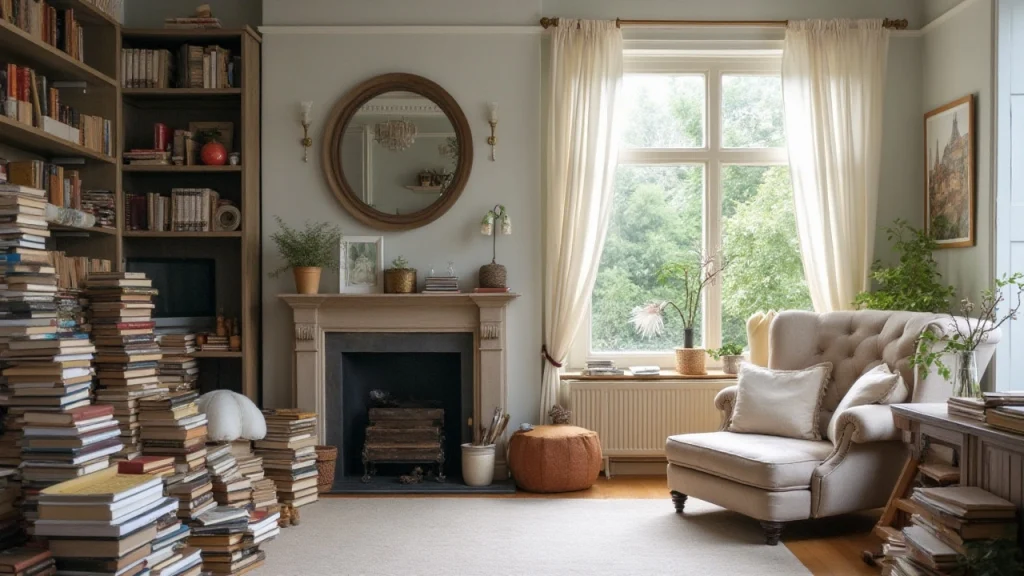
When embarking on the journey of decluttering and organizing, pose the question: “Does this item bring me joy?” If the answer is no, it may be time to release it. This approach reduces physical clutter and aligns your living space with the positive energy you wish to invite. Documenting your intentions and aspirations in a dedicated journal can hone your focus and keep your path clear.
4. Mindful Consumption
Embracing mindful consumption is the next logical progression in the age of immediate satisfaction. Today, consumer culture often leads to hasty purchases driven more by impulse than necessity. Cultivating mindfulness involves instituting a waiting period before committing to any purchase. This period, whether 24 hours or even a week, provides the opportunity for introspection concerning the true need for the item.
During this time, ask yourself if the purchase aligns with your personal values and whether it adds genuine value to your life. By adopting mindful consumption practices, not only do you aid environmental sustainability, but you also nurture a home free of unnecessary clutter. Simplifying your possessions can create a sense of peace and satisfaction that excess purchases can rarely achieve.
3. The Decluttering Process
The art of decluttering is transformative, not merely in the physical act of removing items, but as a comprehensive evaluation of what occupies your space. Beginning with one area or category at a time—such as clothing, books, or kitchenware—can prevent overwhelm and ensure thoroughness. Organize items into three categories: keep, donate, and discard, a methodical approach fostering decisive action.
Consider techniques such as the KonMari method, which focuses on retaining only those items that “spark joy,” or the one-in-one-out rule, a self-imposed restriction where acquiring a new item necessitates letting go of an existing one. Decluttering is an exercise in self-discovery, revealing what truly matters, and it cultivates an environment in which only items of authentic value remain.
2. Effective Organization Systems
Post-decluttering, establishing effective organization systems becomes essential. An organized space is more than just visually pleasing; it fosters a sense of orderliness and efficiency. Invest in clear storage solutions to simplify access and retrieval, labeling everything to maintain a structured environment.
Develop a habitual maintenance routine, dedicating regular time for upkeep, ensuring clutter does not accumulate again. Leverage digital tools for task reminders and scheduling, embracing technology as a minimalist ally in managing life’s responsibilities. Ultimately, a well-organized space nurtures a focused mind and encourages productivity.
The Role of Digital Organization
As much as our physical environments require organization, so too do our digital landscapes. As life becomes increasingly digitized, maintaining orderly digital files, photos, emails, and more becomes a pivotal aspect of modern personal organization. Regularly declutter your digital spaces: unsubscribe from unnecessary emails, delete duplicate files, and organize photos into albums to prevent a digital avalanche of clutter.
1. Cultivating a Mindset of Minimalism
At the apex of seamlessly integrating minimalism and organization is cultivating a minimalist mindset. This lifestyle transcends the mere reduction of physical belongings; it’s a profound transformation in perspective. Adopting the ethos of “less is more” prioritizes quality over quantity, nurturing deeper life satisfaction through meaningful experiences.
Find liberation in cherishing the simple joys life offers, focusing on experiences rather than material goods. Engage with communities, literature, or podcasts that celebrate minimalism to continually inspire and reinforce your alignment with these principles.
In summary, navigating the consumer-driven landscape and achieving clarity through intentional decisions is attainable by weaving together minimalism and personal organization. Commence your journey with incremental changes, gradually adopting a streamlined, purposeful lifestyle. Being steadfast in these principles enriches your living space and has the potential to profoundly uplift your mental and emotional well-being.
| Category | Description |
|---|---|
| Sustainable Living | Emphasizes the importance of reducing waste and making environmentally friendly choices, which is becoming increasingly vital in modern society. |
| Mindful Consumption | Encourages individuals to reflect on their purchases and understand the impact these choices have on their lives and the environment, fostering a more thoughtful approach to buying. |
| Enhanced Focus | By adopting minimalism, individuals can declutter not only their homes but also their minds, allowing for better concentration and improved mental clarity. |
| Time Management | Organizing personal space through minimalism leads to a more efficient use of time, as less clutter means less time spent on upkeep and more time available for meaningful activities. |
In this dynamic era where consumerism reigns, the synergy between minimalism and personal organization emerges as a beacon of hope for those seeking balance. **Sustainable living** has never been more urgent; with mounting evidence of environmental degradation, individuals are now more aware of their ecological footprint. When people embrace **mindful consumption**, they not only make choices that resonate with their values but also encourage businesses to adopt more sustainable practices, creating a ripple effect throughout the economy.Incorporating **minimalism** into daily routines results in an enriched focus. Freed from the burden of excess, one can fully engage with their passions and interests. As distractions diminish, so does the mental noise, paving the way for creativity and innovation. The simplicity of surroundings can lead to profound inner peace, triggering a chain reaction of well-being and productivity.Further, the correlation between minimalism and **time management** becomes apparent. By reducing clutter, individuals not only create visually appealing spaces but also streamline their daily tasks. The gift of time becomes a reality, allowing individuals to invest in relationships, personal growth, and self-care practices that nourish the soul.This approach transcends mere aesthetics; it’s a lifestyle choice that anchors individuals in purpose and intention. The integration of these concepts invites readers to explore their own living spaces and consumption habits, urging a conscientious departure from traditional norms toward a more deliberate existence. The journey promises not just reduction but a richer quality of life, one that aligns with deeper values and aspirations.
Frequently Asked Questions: Conscious Decisions in the Era of Consumption
What is the connection between minimalism and personal organization?
Minimalism and personal organization are closely linked as they both aim to simplify life. By adopting a minimalist lifestyle, individuals focus on owning fewer possessions, which naturally leads to a more organized living space. Minimalism encourages intentionality, prompting people to keep only what is truly necessary and meaningful. This mindset often results in enhanced personal organization, as maintaining fewer items reduces clutter and makes everyday tasks more efficient.
How can someone start integrating minimalism into their everyday life?
Starting with minimalism requires a shift in mindset and habits. Begin by evaluating the necessity and personal value of the items you own. You can start small, perhaps by decluttering a single room or category of items. Gradually, incorporate practices like mindful purchasing and prioritizing experiences over material goods. Establish regular decluttering sessions to maintain consistency, and remember, minimalism is a personal journey — tailor it to fit your life and values.
Are there any specific tools or techniques to improve personal organization?
Yes, there are numerous tools and techniques to bolster personal organization. An effective starting point is the use of planners or digital apps to track tasks and appointments. Utilize storage solutions that maximize space, such as shelves, bins, and drawer dividers, to maintain order. Implement organizational systems like the KonMari method, which encourages keeping only those items that “spark joy.” Regularly reviewing and adjusting your organizational strategies ensures they continue to meet your evolving needs.
What common challenges do people face when adopting a minimalist lifestyle?
Adopting a minimalist lifestyle can present several challenges, including the emotional difficulty of letting go of possessions with sentimental value. Additionally, societal and marketing pressures often promote consumerism, making it hard to resist accumulating more belongings. Many individuals also struggle with the misconception that minimalism is too restrictive. To overcome these challenges, focus on the benefits of a simpler life, such as increased clarity and reduced stress, and remind yourself that minimalism is about finding balance and living intentionally.
Conclusion
In our modern world, the importance of making conscious decisions within the realm of consumer culture cannot be overstated. This article explored how integrating minimalism and personal organization can pave the way for a more intentional and fulfilling lifestyle. By adopting a minimalist approach, individuals can learn to differentiate between needs and wants, enabling them to make informed purchasing decisions that align with their values and long-term goals.
The journey towards a more organized life begins with a commitment to declutter and streamline possessions, ultimately leading to a more efficient and clutter-free environment. Minimalism encourages individuals to focus on experiences and personal growth rather than material accumulation, which can often lead to stress and overwhelming clutter.
The synergy between minimalism and personal organization empowers individuals to maintain a more focused, purposeful life, reducing the constant noise and distractions of excessive consumerism. As emphasized, the benefits extend beyond physical spaces into mental and emotional well-being, fostering a sense of clarity and balance.
By embracing this lifestyle, individuals can cultivate a deeper understanding of their consumption patterns and develop more sustainable habits that align with broader environmental and economic considerations. This approach not only enriches personal life but also contributes positively to the community and global sustainability efforts.
Ultimately, making conscious decisions in the era of consumption requires awareness, intentionality, and a willingness to simplify. This article provides insights into how adopting minimalism and personal organization can transform our lifestyles, inviting readers to delve deeper into these concepts and consider their application in their daily lives.