Mindful Possessions and the Redefinition of Personal Space: Creating Peaceful Retreats at Home
Embracing Mindfulness in Our Living Spaces
In an age where consumerism often overwhelms our lives, many people are seeking mindful possessions to enhance their personal space. With the rise of minimalist movements and wellness trends, the quest for peace at home has never been more relevant. Creating a sanctuary within our living spaces can lead to profound benefits for mental and emotional well-being. Mindfulness is much more than a trend; it’s a conscious effort to live in harmony with our surroundings. This focus on intentional living encourages us to make decisions that promote serenity and fulfillment.
Transform Your Home, Transform Your Life
The concept of personal space is evolving. Individuals are now rethinking how their environment impacts their daily lives, prompting a shift towards the idea that our surroundings can significantly influence our state of mind. By curating items that bring joy and tranquility, homeowners can:
- Reduce clutter and distractions, allowing for a clearer mind.
- Enhance their mental clarity, fostering improved focus and productivity.
- Promote a sense of balance and calm, making it easier to decompress after a long day.
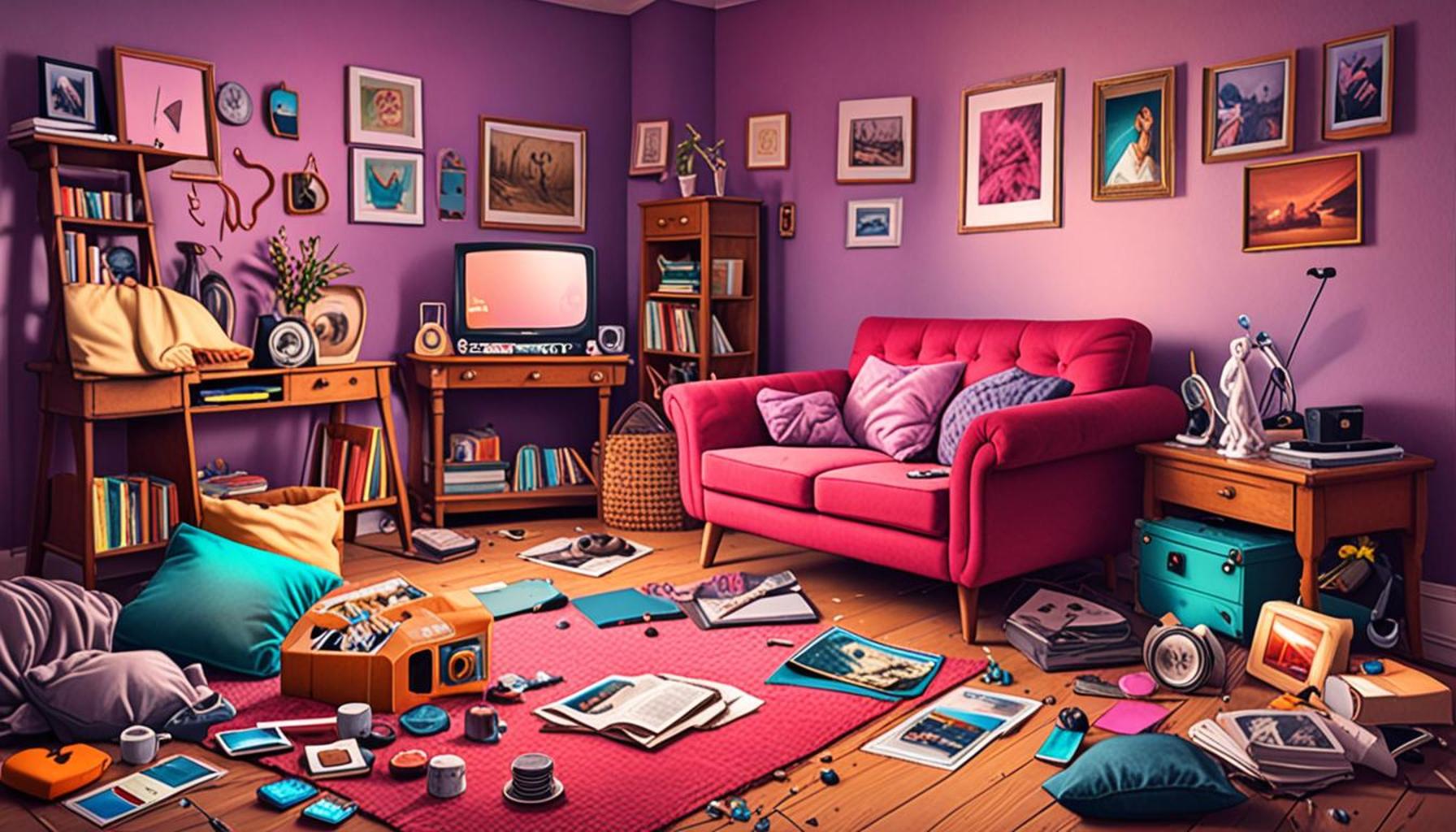
For instance, consider the impact of a cluttered living room filled with unused items versus a minimally decorated space with a few cherished artifacts. The latter not only appears more inviting but also allows for more mental space to breathe and think. Mindful living encourages us to evaluate our possessions and prioritize quality over quantity. This paradigm shift not only influences our décor but also cultivates a peaceful retreat at home. From selecting soothing colors to incorporating plants that improve air quality, each choice can contribute to a tranquil atmosphere. Ultimately, creating a harmonious environment can ignite inspiration and foster lasting happiness.
What Lies Ahead
As you navigate through this exploration of mindful possessions and the redefinition of personal space, expect to uncover valuable insights and practical tips. Topics such as the importance of natural light, the benefits of integrating nature into your living area, and strategies for decluttering will be discussed. Discover how to turn your home into a haven that supports your well-being and resonates with your values. By focusing on the significance of each item you bring into your space, you can create a home that is not just a place to live but a place that enriches your life. This journey toward mindfulness is not just about aesthetics; it is about crafting a life filled with intention and joy.
DISCOVER MORE: Click here to learn about emotional detachment in simple living
Creating Intentional Spaces
As the modern landscape increasingly leans towards minimalism and mindfulness, the notion of personal space has transformed remarkably. In America, many individuals are beginning to understand that the items we choose to surround ourselves with can either enhance our lives or weigh us down. The concept of mindful possessions emphasizes an intentional selection process, urging us to fill our homes with items that resonate with our values and foster a sense of calm.
At the heart of this movement is a deep understanding of how our environment shapes our daily experiences. Studies have shown that cluttered spaces can lead to increased levels of anxiety and stress. Therefore, creating a harmonious environment is essential not just for aesthetics but also for emotional well-being. When we curate our possessions with intention—keeping only what we truly love and use—we open the door to a more peaceful home life.
The Psychology Behind Mindful Spaces
The psychological impact of our surroundings is profound. Spaces infused with mindful possessions can lead to a greater sense of control and security. Here are some ways mindful living manifests in our homes:
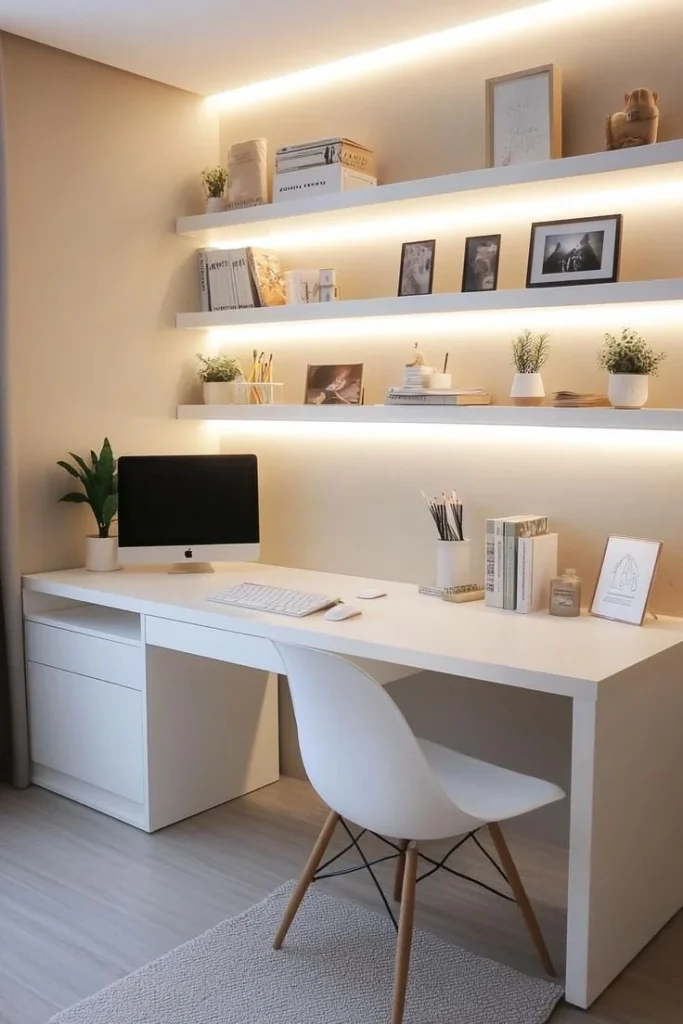
- Enhanced Focus: By eliminating distractions and removing items that no longer serve us, we create a workspace that fosters concentration. This is especially important for individuals working from home, as a serene atmosphere can significantly increase productivity.
- Emotional Connection: Surrounding ourselves with meaningful items—whether it’s a piece of art that stirs emotions or heirlooms from loved ones—can cultivate feelings of joy and gratitude, reinforcing our connections to past experiences.
- Improved Health: Spaces filled with natural elements, such as plants or artwork depicting nature, not only beautify our homes but also promote mental clarity and emotional stability while improving air quality.
By weaving mindfulness into our possessions, we give ourselves permission to curate spaces that reflect our authentic identities. Interior designers and wellness experts alike advocate for the practice of thoughtful selection, encouraging individuals to choose pieces that not only complement their decor but also support their emotional and mental health.
Incorporating principles of mindful design into our homes doesn’t have to mean complete overhauls or extensive makeovers. It can start with small changes, like decluttering a single shelf or identifying a few items that no longer represent who we are today. This gradual approach can lead to profound shifts in our living environment, allowing us to discover the joy of a tranquil space.
As we proceed in this exploration of mindful possessions, the focus will be on how to cultivate personal sanctuaries that bring peace and joy into our lives. From exploring different techniques for decluttering to identifying soothing color palettes, creating a personal retreat is about more than just physical space; it’s an act of self-care that can profoundly alter our day-to-day experiences.
| Advantages of Mindful Possessions | Key Benefits of Personal Space Redefinition |
|---|---|
| Enhanced Clarity | Creating a focus on essential items helps in reducing mental clutter. |
| Emotional Well-being | A serene environment fosters a sense of peace and emotional balance, crucial for personal growth. |
As the world becomes increasingly chaotic, the concept of mindful possessions plays a pivotal role in cultivating peaceful retreats at home. Emphasizing the importance of thoughtful selection, this approach encourages individuals to curate their belongings with intention. One of the key advantages is enhanced clarity; as spaces are stripped of unnecessary items, individuals often experience a significant reduction in mental clutter. This provides an awakening of creativity and focus, transforming homes into sanctuaries of inspiration.Moreover, emotional well-being significantly improves through the redefinition of personal space. By surrounding oneself with meaningful possessions, individuals can foster a greater sense of peace and emotional balance. Mindful spaces create an environment where personal growth can flourish, enabling a deeper connection to oneself. This transformation is not just a trend; it is a crucial element in the journey toward a more balanced and fulfilling lifestyle. Embracing these principles leads to a healthier mindset, which is essential for navigating life’s challenges.
DIVE DEEPER: Click here to learn about intentional choices
Designing Your Personal Sanctuary
Creating a personal sanctuary that embodies mindful possessions requires more than simply removing clutter; it involves a thoughtful design approach that prioritizes comfort, tranquility, and personal expression. Each element within this space should serve a purpose, contributing to an atmosphere that encourages relaxation and reflection. Here are a few strategies you can employ to design your own peaceful retreat at home:
Utilizing Color Psychology
The colors present in our environment can significantly affect our mood and overall mental state. Utilizing color psychology is an effective way to cultivate a peaceful space. For instance, calming blues and greens echo the serenity of nature, promoting feelings of tranquility, while warm neutrals can create a cozy embrace, making a room feel both inviting and grounding.
Consider incorporating soft textiles—think cushions and throws in soothing colors—to create an inviting atmosphere. According to a survey by the American Psychological Association, individuals exposed to various color schemes reported changes in mood and attention levels. Therefore, choosing a palette that resonates with your personal taste while fostering a pleasing ambiance can lay the foundation for a mindful space.
The Importance of Natural Light
Natural light plays a crucial role in enhancing mood and productivity. Studies have shown that exposure to natural light contributes to a reduction in stress and anxiety, making it a vital aspect of mindful living. When designing your personal sanctuary, consider including elements that maximize natural light. Positioning mirrors strategically can reflect sunlight throughout the room, while sheer curtains can allow light to filter in softly, creating a warm, inviting glow.
In spaces with limited access to natural light, introducing light therapy lamps or using bulbs that mimic daylight can help improve overall well-being. These adjustments can help transform a once-draining environment into a rejuvenating retreat.
Incorporating Nature Indoors
The incorporation of natural elements within our home considerably enhances the mindfulness of our spaces. Research conducted by the University of Queensland found that indoor plants significantly boost overall well-being and reduce stress. By adding greenery or floral arrangements, not only do we beautify our homes, but we also cultivate a deeper connection to nature.
Consider inviting plants like snake plants, pothos, or peace lilies into your personal sanctuary. These plants are not only aesthetically pleasing but also purify the air—allowing for a healthier living environment. Moreover, incorporating nature-inspired artwork can evoke the feeling of being outdoors, further promoting a sense of peace and calm.
Sound and Scent: Enhancing the Sensory Experience
Our senses play a pivotal role in how we perceive our environment. Sound and scent can drastically influence the atmosphere within our homes. Integrating elements like soft background music, white noise machines, or calming sounds from nature can create a soothing auditory backdrop that encourages relaxation.
Similarly, the strategic use of aromatherapy or scented candles can enhance the ambiance of your sanctuary. Scents such as lavender, sandalwood, and eucalyptus have documented calming properties that evoke feelings of serenity. A study published in the Journal of Home Economics found that pleasant aromas can lead to improved mood and reduced stress, making scent a powerful tool in your mindful possessions strategy.
By interweaving these elements of thoughtful design into your home, you can cultivate an intentional retreat that becomes a source of comfort and serenity—ultimately redefining your personal space.
DISCOVER MORE: Click here to learn about minimalism in practice
Conclusion: The Art of Mindful Living
In our increasingly chaotic world, the concept of mindful possessions and the deliberate redefinition of personal space can serve as transformative practices, ultimately guiding us to create peaceful retreats within our homes. By being intentional about the items we surround ourselves with, we not only declutter our physical surroundings but also nurture our mental and emotional states. As explored throughout this article, elements such as color psychology, natural light, and the natural world play pivotal roles in cultivating an environment that invites calmness and creativity.
Incorporating sensory experiences through sound and scent further enhances the depth of these mindful spaces, allowing us to engage fully with our surroundings. Whether it’s choosing a soothing palette of colors that resonate with you or introducing greenery that connects you to nature, every choice contributes to your home sanctuary’s overall energy. Furthermore, studies indicate that these adjustments lead to measurable improvements in well-being, fostering an environment conducive to mental clarity and emotional tranquility.
As you endeavor to create your personal haven, remember that this journey is uniquely yours. The practice of mindful living invites you to not only reflect on your possessions but also discover what truly brings you joy and peace. This redefined personal space becomes more than just a sanctuary—it transforms into a loving embrace, reminding us that the home should be a reflection of our inner world. Embrace this opportunity to cultivate your serene retreat, and let it lead you toward a new balance in both your personal and communal lives.