Mindful Possessions: The Role of Intention in Choosing Our Objects

Are Our Possessions Reflecting Our Values?
Every object we bring into our lives holds significance. Whether it’s a cozy blanket that envelops us on chilly evenings, a cherished book that transports us to different worlds, or a sleek gadget designed to simplify our day-to-day tasks, these items reflect not just our tastes but our intrinsic values and lifestyle. However, have you ever considered the intention behind your possessions? The thought we put into whether an item should occupy space in our lives can profoundly influence our happiness and mental clarity.
In a world dominated by consumerism and the allure of instant gratification, the idea of mindful possession serves as a gentle reminder to slow down and ponder what truly enriches our lives. By focusing on intention, we can:
- Clarify our values – Gaining insight into what matters most to us can lead to better choices. For example, a person who values sustainability might invest in eco-friendly products, while someone who prioritizes nostalgia may choose to keep items with sentimental value.
- Reduce clutter – Embracing quality over quantity can create a more harmonious living space. Instead of keeping numerous low-quality items, one could choose a few well-crafted pieces that spark joy or serve a clear purpose, leading to a more organized environment.
- Enhance well-being – A nurturing environment significantly contributes to our overall mental health. Imagine coming home to a peaceful and beautifully arranged living space, where every item serves a purpose or brings comfort, as opposed to a chaotic area overwhelmed by forgotten belongings.
Mindful living is more than just a fleeting trend; it is a conscious choice that can elevate our levels of satisfaction and tranquility. As we navigate our everyday lives, it’s vital to ask ourselves essential questions:
- Which items spark joy in our hearts and remind us of positive experiences?
- What purpose do our belongings serve in our daily routines?
- How do our possessions influence our mental state and overall well-being?
Exploring these questions can open the door to embracing a lifestyle steeped in intentionality. By consciously curating our possessions, we are not only shaping our living spaces but also fostering an environment that nurtures our mental and emotional health. Join us as we delve deeper into the concept of mindful possessions, discovering how thoughtful selection can transform your domestic life and enhance your overall quality of life. As you embark on this journey, you may find that less truly is more, offering not just a clean space, but also a clearer mind.
DISCOVER MORE: Click here for minimalist living tips
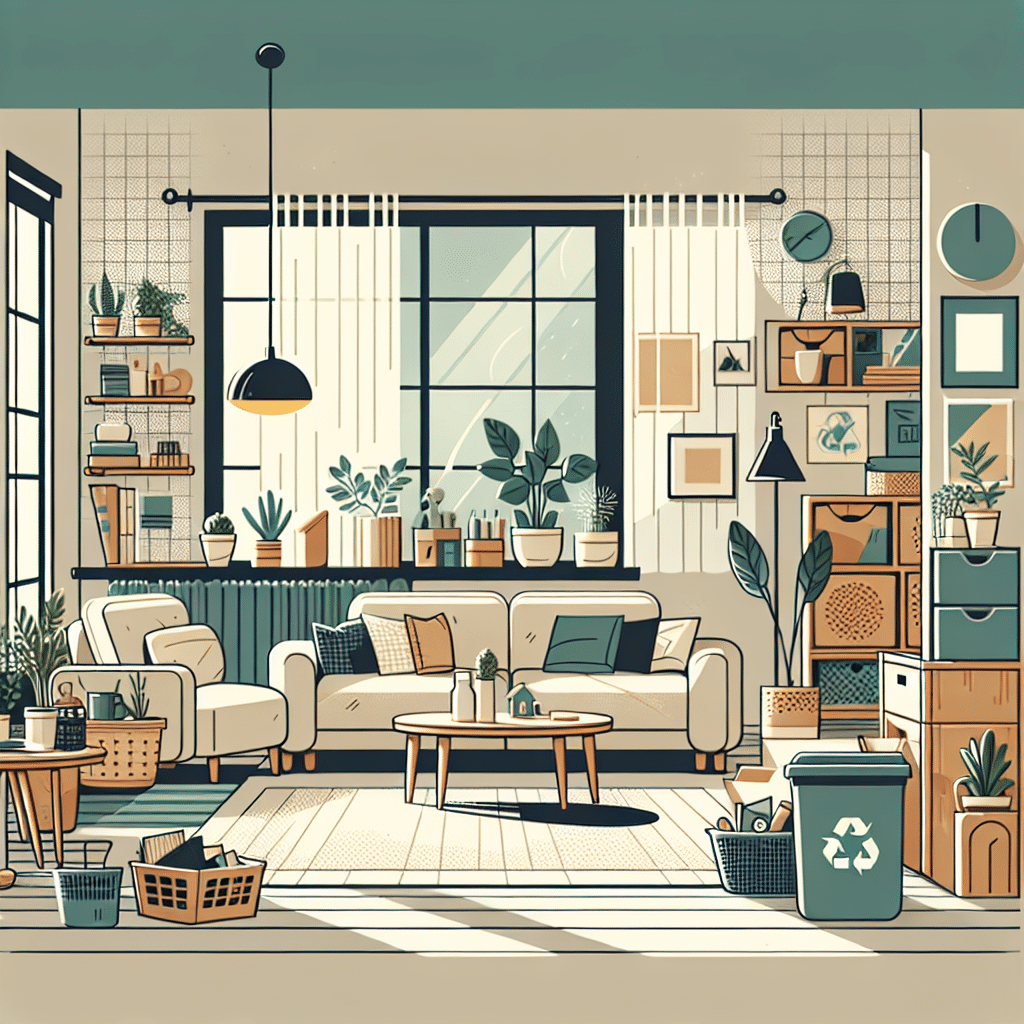
The Impact of Intention on Our Belongings
When we think about our possessions, it’s easy to view them as mere items, functional or decorative, scattered throughout our homes. However, delving deeper reveals that the intention behind acquiring these objects is not only essential in defining who we are but also in influencing our overall emotional well-being. Mindful possessions advocate for a deliberate approach to what we own, encouraging us to ask the critical question: “Does this item serve a meaningful purpose in my life?”
One of the first steps towards embracing mindful possession is recognizing the stories and emotions tied to our belongings. Each object we choose has a narrative intertwined with our experiences, values, and aspirations. For instance, a handcrafted mug might remind us of a special trip or a dear friend who gifted it. Conversely, numerous mass-produced trinkets may fail to evoke any significant sentiment, leaving us surrounded by items that clutter rather than enhance our lives. Taking the time to reflect on these connections can help us delineate between objects that inspire joy and those that merely take up space.
The Five Pillars of Intention
To effectively incorporate intention into our approach to possessions, consider these five pillars:
- Purpose: Assessing what function an item serves in your life can clarify its value. Whether it’s a tool that enhances productivity or a piece of art that sparks inspiration, every object should have a clear purpose.
- Emotional Resonance: Objects that resonate with our emotions often lift our spirits. Consider whether a possession brings comfort, elicits fond memories, or supports our growth. If it fails to make a positive impact, it may be time to reassess its place in our lives.
- Quality Over Quantity: Emphasizing quality over quantity allows us to invest in fewer, more meaningful items that reflect our standards and aspirations. This shift can lead to an enriched living experience, where each piece has significance.
- Responsibility: Understanding the ethical implications of our purchases cultivates a sense of responsibility. By choosing items that are ethically sourced or environmentally friendly, we align our possessions with our values, emphasizing sustainability and conscious consumerism.
- Connection: Cultivating connections with our belongings—be it through family heirlooms or thoughtfully chosen decor—encourages a sense of belonging and stability in our environment.
Together, these five pillars serve as a framework for integrating intention into our lives. By evaluating our belongings through this lens, we can actively participate in creating a personal space that reflects our values, nurtures our growth, and promotes happiness.
As we move toward a more intentional way of living, it’s essential to recognize that letting go of unnecessary possessions can be as powerful as acquiring new ones. Striking this balance requires courage and insight. The act of decluttering is not just about removing items from our physical space; it is also about liberating ourselves from mental baggage that can hinder our happiness.
| Advantage | Description |
|---|---|
| Enhanced Wellbeing | Curating possessions based on intention can lead to greater emotional satisfaction. |
| Mindful Living | Promotes a lifestyle centered around awareness and appreciation of one’s surroundings. |
| Personal Growth | Facilitates continuous self-reflection and personal development through careful selection. |
By focusing on mindful possessions, individuals can cultivate a sense of peace and satisfaction that transcends mere materialism. When possessions are chosen with intention, they serve as powerful reminders of personal values and aspirations. This practice fosters a deeper understanding of one’s relationship with objects and invites a transformative journey toward a more meaningful existence. As you explore the implications of intention, consider how each item in your life might contribute to or detract from your overall sense of well-being. Embracing this intentional approach can reveal new dimensions of self-discovery, as well as equip you with the tools to navigate life’s complexities with greater clarity. Delve into the significance of these choices and uncover how they reshape not just your environment, but also your inner landscape.
DIVE DEEPER: Click here to uncover the benefits of mindful minimalism
The Emotional Landscape of Intention
The concept of mindful possessions extends beyond just the tangible items we choose to keep in our homes. It also encompasses the emotional landscape that accompanies these choices. When we allow ourselves to engage with our belongings on a deeper level, we begin to understand how they influence our emotional health and personal narrative. Each item in our possession can be seen as a reflection of our identity, a marker of our experiences, and a tool in crafting the life we wish to lead.
Intentional Curation of Space
The arrangement and selection of our belongings create an intentional space that can significantly impact our daily lives. For instance, a cluttered environment can be overwhelming, leading to stress and distraction. In contrast, a thoughtfully curated space has the potential to bring peace, inspiring creativity and focus. Intentional curation involves actively selecting items that resonate with our ideals and aspirations while letting go of those that drain our energy or provoke negative memories.
Consider the example of a minimalist lifestyle, which champions the idea of owning fewer items that serve a distinct purpose. Proponents of this lifestyle often report increased clarity and satisfaction derived from their environments. Research supports this; studies show that individuals living in organized spaces often experience lower levels of anxiety and better emotional well-being. By implementing a mindful approach to our possessions, we can shape an atmosphere that aligns with our values, fostering tranquility and inspiration.
Mindfulness in Shopping Practices
To cultivate a lifestyle of mindful possessions, it’s crucial to adopt intentional shopping practices. Often, we find ourselves purchasing items on impulse, leading to buyer’s remorse or regret. By incorporating practices such as thoughtful reflection before making a purchase, we can avoid unnecessary acquisitions. Ask yourself: “Will this object enhance my life, or is it merely a fleeting desire?” This fundamental shift in perspective can transform shopping from a mundane activity into a deliberate act, enhancing the overall experience of ownership.
Moreover, shopping locally or from artisans can create a more profound connection with the objects we choose. By understanding the story behind a handmade piece, such as a ceramic bowl or a woven blanket, we become part of a greater narrative, linking ourselves to the values of craftsmanship and sustainability. This not only enriches our own lives but also supports local economies and the artisans themselves, aligning our intention with greater social responsibility.
The Role of Technology in Mindful Possessions
In an increasingly digital world, technology can also play a crucial role in fostering mindfulness around our possessions. Apps designed for tracking inventory, decluttering, or assessing the emotional state associated with belongings can empower users to take control of their spaces. These tools can remind us of our values, helping us stay focused on our intention and preventing us from succumbing to the consumerism that often surrounds us.
Incorporating technology that promotes mindful ownership does not stop at tracking what we own. The rise of sustainable marketplaces online allows consumers the opportunity to purchase intentional products while considering their environmental impact. Supporting brands that promote conscious living encourages a collective shift towards a more mindful society.
As we navigate through our personal possessions, the overarching theme remains one of intention. By recognizing how deeply intertwined our belongings are with our emotional well-being, we create a pathway toward more fulfilling and meaningful living.
DIVE DEEPER: Click here to unlock the secrets of personal organization
Conclusion: The Path to Mindful Living
In an age characterized by consumerism and excess, embracing the concept of mindful possessions offers a refreshing reprieve. The act of choosing items with intention not only influences the physical environment we inhabit but also shapes our emotional landscapes. As we reflect on the significance of our belongings, we begin to see them as extensions of our own stories and values.
The power of intentional curation empowers us to create spaces that promote well-being and clarity. By prioritizing items that resonate with our identities and aspirations while letting go of those that no longer serve us, we can foster a sense of peace and inspiration. Furthermore, the shift towards intentional shopping can transform mundane purchases into meaningful experiences, encouraging us to think critically about what we truly need and desire.
As technology aligns with this movement, tools such as inventory management apps and sustainable online marketplaces enhance our ability to maintain mindfulness around possessions. These advancements not only help us declutter our lives but also introduce us to artisans and brands that share our commitment to conscious living.
Ultimately, the journey toward mindful possessions invites us to slow down, reflect, and engage with our belongings on a deeper level. In understanding the profound connection between our choices and our emotional wellbeing, we can cultivate a more meaningful existence. As we take each step intentionally, we begin to redefine our relationships with the objects we cherish—transforming our homes from mere living spaces into sanctuaries of mindfulness.