How Minimalism Transforms Our Relationships with Our Possessions
The Rise of Minimalism in Modern Society
In an era characterized by relentless consumerism, more individuals are beginning to explore the idea of minimalism as a compelling antidote to the chaos of modern life. This philosophy emphasizes the reduction of excessive possessions and the embrace of a lifestyle that prioritizes quality over quantity, pushing people to curate their belongings with intention.
As we navigate through this transformative movement, it becomes essential to examine our relationship with material possessions and the implications for our everyday lives. For many, the act of decluttering isn’t merely a practical step; it’s a profound emotional journey. For instance, think about the countless items stored in attics or closets – do you find yourself clinging to these relics because of nostalgic memories? Emotional attachment often fuels our desire to hold on to items that no longer serve us, masking the usefulness of only retaining what is essential.
Moreover, living in cluttered spaces can significantly impact mental well-being. Studies have shown that clutter can lead to increased stress and anxiety, creating an environment where relaxation feels unattainable. Many have reported that after adopting minimalism, their homes transformed into sanctuaries of peace and tranquility, allowing for clearer thinking and improved focus. Clutter reduction not only organizes physical spaces but also facilitates mental clarity, making it easier to prioritize what truly matters.
Financial ramifications also play a noteworthy role in this lifestyle shift. Adopting minimalism often leads to a reevaluation of spending habits, promoting a mindset that favors experiential purchases over material ones. For example, instead of investing in constant new clothes or gadgets, minimalists may prioritize travel or education, experiences that foster personal growth and lasting memories. This journey toward financial freedom is as much about breaking the cycle of consumer debt as it is about reshaping values towards intangible experiences.
A Broader Impact on Culture
The minimalist movement is gaining momentum particularly in the United States, where the culture of consumerism is deeply ingrained. Companies often promote lifestyles centered around acquiring more, leading to the question: what do we genuinely value? Minimalism challenges these norms, encouraging individuals to redirect their focus from accumulation to appreciation.
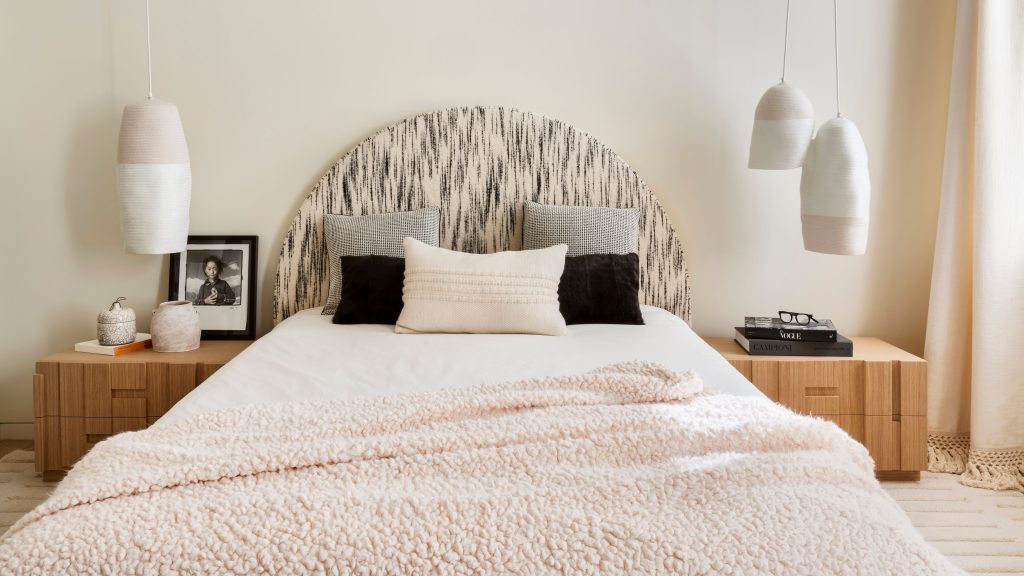
As this lifestyle gains traction, community initiatives and social media movements proliferate, providing platforms for individuals to share their minimalist journeys and successes. Each story highlights how minimalism transcends mere decluttering, reshaping priorities and instilling a deeper sense of purpose.
In conclusion, the effects of minimalism extend well beyond physical items in our possession. This lifestyle encourages us to deeply reflect on what we own and, more importantly, what we truly value. As more people embark on their minimalist journeys, they often find themselves enriched not just by the items they keep, but by the experiences and relationships that become ever more precious in their relatively uncluttered lives.
DISCOVER MORE: Click here to learn about creating calm spaces
Reevaluating Our Attachments
Minimalism invites us to take a candid look at the emotional ties that bind us to our belongings. It urges individuals to confront the question: Why do we hold onto items that no longer serve a purpose in our lives? In the United States, this reflection is particularly salient in a culture that often romanticizes material wealth. The act of decluttering goes beyond merely removing physical objects; it involves understanding the emotional reasoning behind our accumulations.
Many people find themselves treasuring objects that trigger memories or represent milestones in their lives. While nostalgia can be a powerful motivator, it is essential to differentiate between meaningful memories and the mere habit of holding onto physical representations. Here are some common reasons people find it hard to let go of possessions:
- Sentimental Value: Items inherited from family members or gifts from significant people can elicit strong emotional attachments.
- Fear of Loss: The anxiety associated with voiding our lives of certain items often leads to reluctance in letting go.
- Perceived Scarcity: A mindset that equates value with rarity can trap individuals in a cycle of hoarding.
Understanding these factors enables a more mindful approach to minimalism. As we engage in the decluttering process, we learn to prioritize what genuinely matters, ultimately redefining our relationship with our possessions. Minimalism teaches that emotional fulfillment does not come from the accumulation of items but from recognizing the transient nature of physical belongings.
In creating space both physically and emotionally, many have reported a newfound sense of freedom. This transformation can often lead to a profound shift in daily life. For instance, individuals may find it easier to focus on personal relationships, as their mental bandwidth is no longer consumed by the weight of unwanted items. Consequently, the act of minimizing fosters an environment encouraging deeper connections with family and friends. Instead of spending time and energy managing clutter, individuals are more inclined to engage in activities that nurture their relationships.
Moreover, as one’s physical space becomes less congested, the opportunities for intentional living emerge. This shift often manifests in the form of enlightening experiences, transformational adventures, and meaningful conversations instead of material purchases. Emphasizing experiences over possessions can also lead to forming bonds around shared memories—another dimension that adds richness to our lives in ways that inanimate objects cannot.
As we embrace the minimalist journey, we gradually redefine our priorities and values, turning away from the incessant draw of consumerism to focus on genuine connection and self-awareness. The relationships we cultivate in this new space can transform how we view the items around us, shedding light on what we truly need to live fulfilled lives.
| Category | Details |
|---|---|
| Intentional Living | Minimalism encourages prioritizing what truly matters in life. |
| Emotional Freedom | Letting go of excess possessions can lead to reduced stress and anxiety. |
| Environmental Impact | Minimalism promotes sustainable consumption and reduces waste. |
| Financial Advantages | Becoming a minimalist can result in significant savings through reduced spending. |
| Improved Focus | Having fewer distractions allows for better concentration and productivity. |
Minimalism profoundly alters how we interact with our belongings, tapping into aspects of intentional living that many are eager to explore. By embracing a minimalist lifestyle, individuals can experience emotional freedom, shedding the weight of excess possessions that often come with financial and mental burdens. This, in turn, leads to enhanced focus and productivity, as a decluttered environment fosters a clearer mind.Additionally, minimalism has a tangible environmental impact; it encourages sustainable consumption habits by reducing waste. Those who adopt this lifestyle often find themselves more aware of their purchases, leading to smarter decisions that benefit both their lives and the planet. With such transformations, it’s clear that embracing minimalism is not just a trend but an invitation to redefine our relationships with our possessions and foster a more meaningful life.
DIVE DEEPER: Click here to discover more
Embracing the Psychology of Stuff
As we delve deeper into the impact of minimalism on our lives, it’s essential to recognize that our possessions often act as reflections of our inner selves. Engaging with minimalism involves not only a physical response but a psychological one, urging us to rethink the significance we attribute to our belongings. The psychology of possessions suggests that many individuals link their self-worth, identity, and happiness to the items they own. This connection can lead to an unhealthy investment in physical objects rather than personal growth or relationships.
Recent studies indicate that individuals who prioritize experiences over material goods report higher levels of happiness and satisfaction. When we consciously make decisions about what to keep and what to discard, we are, in effect, exercising our power over these possessions. This conscious choice becomes an act of self-assertion and empowerment. For example, a person may decide to let go of a collection of designer bags—not merely as an act of decluttering but as a statement of their evolving values and aspirations toward more meaningful life experiences.
Additionally, minimalism often paves the way for deeper self-awareness. As the clutter recedes from our physical environment, it provides clarity and makes room for introspection. We find ourselves asking tough questions: What do we truly value? What brings joy to our lives? Exploring these questions can facilitate a paradigm shift in our relationships—not only with our possessions but also with the people around us. This newfound clarity can transform how we relate to others, fostering deeper connections that are enriched by shared values and experiences.
Practical applications of minimalism can be observed in many areas of life, from home organization to consumer habits. The trend of capsule wardrobes, for example, illustrates how individuals can curate their clothing to reflect only their true style and needs, freeing them from the anxiety of choice and decision fatigue. This process not only simplifies one’s morning routine but encourages a more intentional approach to getting dressed, blurring the lines between fashion and personal expression.
Furthermore, the surge of digital minimalism has dramatically changed how we interact with technology. With the rise of smart devices and social media platforms, individuals often find themselves overwhelmed by the constant barrage of notifications and content. Digital minimalism advocates for a more conscious use of technology, emphasizing quality over quantity. By simplifying our digital spaces—be it through decluttering apps or limiting screen time—we forge healthier relationships with the digital world and, by extension, with our physical possessions.
As we reevaluate our connections to both digital and physical items, we start to recognize the value of having less. This journey fosters an appreciation for simplicity, encouraging us to curate a life where each possession is not merely an item but a meaningful part of our story. Minimalism invites us to refocus our priorities, allowing genuine relationships and experiences to take center stage and fostering an environment where personal growth can flourish unhindered by the weight of excess.
DISCOVER MORE: Click here for tips on maximizing small spaces!
Redefining Our Relationships Through Minimalism
In summary, the journey into minimalism holds the transformative power to fundamentally alter our relationship with our possessions. By embracing a minimalist lifestyle, we not only shed physical clutter but also cultivate a deeper understanding of our values and desires. The psychology of possessions reveals that much of our identity is wrapped up in material goods, leading us to equate ownership with self-worth. However, as we’ve explored, prioritizing experiences over materials fosters greater satisfaction and happiness.
This conscious effort to declutter serves as a means of empowerment, shifting our focus from external validation to internal reflection. As we navigate through the implications of minimalism, we confront essential questions about what truly enhances our lives. This exploration leads to stronger connections with others, underscored by shared experiences rather than possessions. With a clearer, more intentional approach to both our physical and digital spaces, we cultivate healthier relationships and a sense of peace.
Ultimately, minimalism invites us to embrace simplicity and authenticity, where each item surrounds us is imbued with meaning. As we reshape our surroundings, we simultaneously redefine our narratives, paving the way for a richer, more fulfilling existence. By committing to this ongoing journey, we can discover the profound impact it has on not only our possessions but also how we engage with the world and those we cherish. In a society increasingly overwhelmed by consumerism, minimalism offers a refreshing perspective, encouraging us to focus on what matters most—a life enriched by values, relationships, and authentic experiences.