How to Create a Zen Space: Decoration Tips for Simple Living
Discovering Your Inner Peace
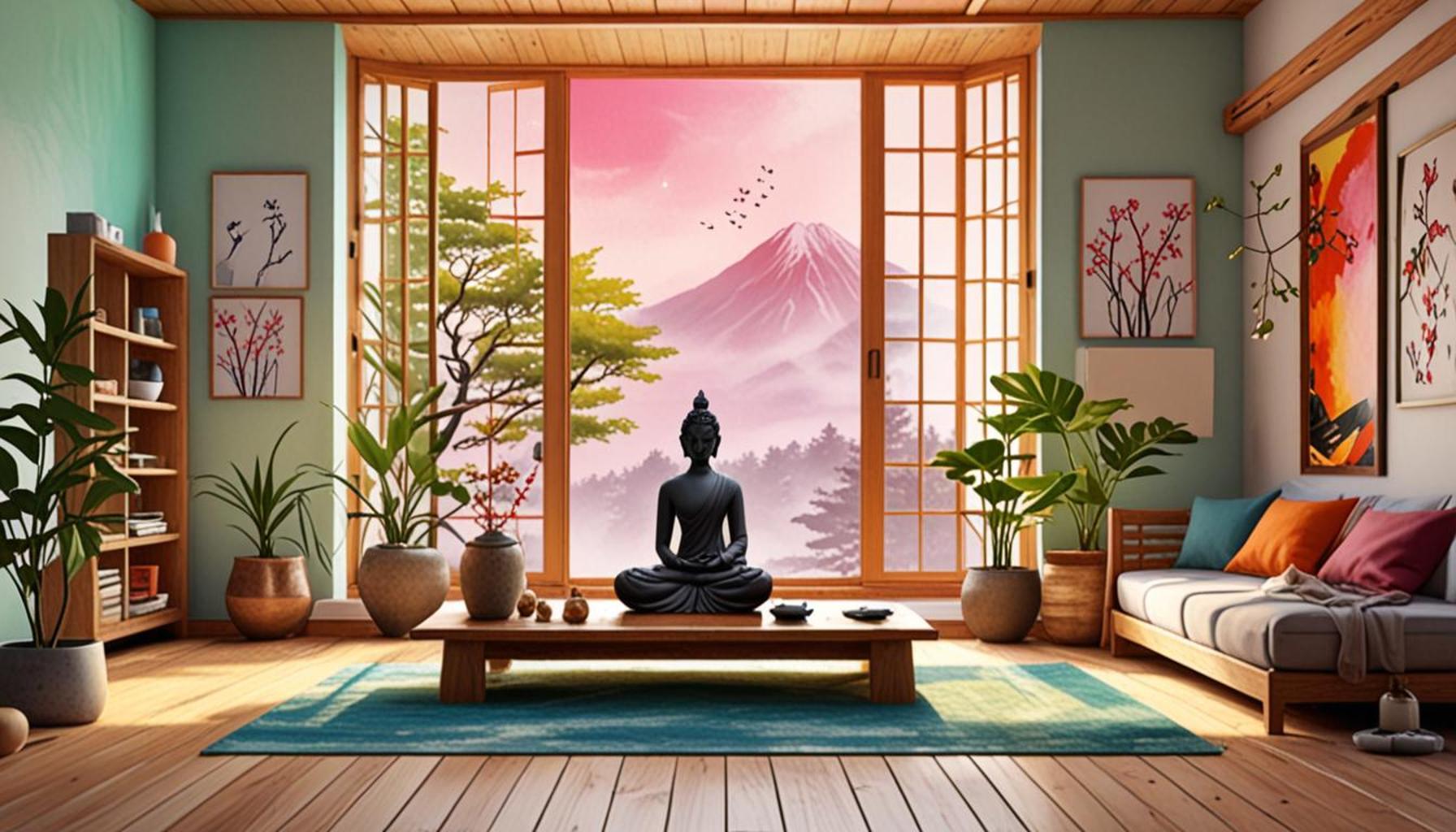
Creating a Zen space at home isn’t just about aesthetics; it’s a profound journey towards mindfulness and tranquility. In today’s fast-paced world, the need for a calming retreat has never been more important. The incessant noise of daily life, whether it comes from smartphones buzzing or the hustle of city streets, can lead to overwhelming stress. By incorporating specific decoration tips and intentional design choices, you can transform any area into a peaceful sanctuary that fosters reflection and calm.
Essentials for a Zen Environment
To design your Zen space, consider these key elements:
- Natural Light: Harness daylight to enhance your mood. Large windows that bathe your room in sunlight can significantly uplift your spirits. If your space lacks natural light, consider using soft, warm artificial lighting to mimic the calming effects of daylight.
- Natural Materials: Use wood, bamboo, or stone to connect with nature. These materials not only add texture and warmth to your space but also evoke a serene atmosphere synonymous with outdoor settings, making you feel grounded and balanced.
- Simplistic Decor: Fewer items lead to less distraction and more peace. Opt for minimalism by selecting just a few meaningful decorative pieces, such as a cherished photo or a beautiful vase, that truly resonate with your personal journey.
Each element plays a crucial role in creating an ambiance that promotes relaxation and focus. The arrangement of furniture, color choices, and accessories should all reflect a harmonious balance. For instance, placing furniture in a way that allows for open space can enhance flow and eliminate feelings of congestion.
Creating an Inviting Atmosphere
Consider adding features that elevate your Zen retreat:
- Indoor Plants: They purify the air and enhance the atmosphere. Plants like peace lilies and snake plants not only improve indoor air quality but also bring a vibrant spark of life into your environment.
- Soft Textures: Cushions and throws create warmth and comfort. Layering textiles in soft, neutral tones can invite coziness and tranquility, making your space a perfect place for meditation or relaxation.
- Calming Scents: Use essential oils or incense to engage your senses. Aromatherapy tools like diffusers can disperse soothing fragrances like lavender or eucalyptus, which have been known to reduce anxiety and promote relaxation.
By thoughtfully selecting these features, you can cultivate a serene environment that encourages simplicity and well-being. Explore how each of these elements can work together to promote a lifestyle that embraces simple living and inner peace. The journey towards creating your Zen space is not just a design project; it’s an ongoing exploration into what fosters peace and renewal in your life. Engage with your surroundings, make adjustments as needed, and watch as your sanctuary evolves into a true reflection of your journey towards mindfulness.
DISCOVER MORE: Click here to unlock space-saving secrets
Key Elements of Zen Design
When embarking on the journey to create a Zen space, understanding the fundamental elements of Zen design is essential. Each aspect plays a role in fostering a peaceful atmosphere that encourages mindfulness and reflection. Below are some core components that will guide you as you curate your personal sanctuary:
- Color Palette: Choose a color scheme that resonates with tranquility. Soft, muted tones such as pale greens, gentle blues, and warm earth tones will calm your senses and create a soothing backdrop. These colors are often inspired by nature, further establishing a connection to the outdoors.
- Decluttering: A clutter-free environment is crucial for a Zen space. Start by assessing what you truly need and cherish. Removing items that don’t serve a purpose or bring joy can create a sense of clarity and freedom, making your space feel larger and more open.
- Personal Touches: Incorporate elements that reflect your individuality. This could be artwork that inspires you, framed memories from meaningful experiences, or handmade crafts. Each item should evoke a sense of comfort and connection, allowing your Zen space to feel uniquely yours.
As you introduce these elements into your home, consider how they will interact with one another. For example, pairing soft textiles with your chosen color palette can enhance the overall feeling of comfort and serenity. Think about ways to balance the hard and soft elements within your space. A sleek wooden table surrounded by plush cushions creates a harmonious contrast that invites relaxation and conversation.
The Impact of Sound
While visual elements are integral to your Zen environment, sound also plays a significant role in setting the mood. Incorporating soft audio elements can help mask intrusive noises from the outside world and enhance the feeling of tranquility:
- Water Features: Consider adding a small indoor fountain or aquascape. The gentle sound of flowing water can promote relaxation and serve as a form of natural white noise, grounding your space.
- Soft Music: Create a playlist of soft instrumentals or nature sounds to play in the background. This auditory experience can help soothe your mind during meditation or relaxation, further enriching the peaceful atmosphere.
- Sound Therapy Instruments: Introduce tools like singing bowls or chimes. These instruments produce calming sounds that can enhance meditation practices and promote a deeper state of relaxation while providing a unique decorative touch.
Incorporating these sound elements not only complements the visual aesthetic of your Zen space but also elevates the overall experience, making it a true haven for reflection and peace. By focusing on the balance of visuals and sound, the journey towards creating a harmonious atmosphere is fully realized, inviting serenity into your everyday life.
Creating a Tranquil Atmosphere
When designing a Zen space, the atmosphere is essential. Natural light plays a pivotal role in enhancing tranquility. Consider using sheer curtains to allow sunlight to gently filter in, promoting a warm, inviting environment. Furthermore, integrating neutral color palettes, such as soft whites, beiges, and muted greens can create a serene backdrop, allowing your mind to unwind.
Incorporating Natural Elements
Bringing the outside in is a crucial element of creating a Zen-inspired space. Indoor plants not only purify the air but also instill a sense of life and vitality in your room. Plants such as sansevieria or peace lilies are low maintenance and are said to foster a calm and peaceful atmosphere. Including elements such as stones, water features, or even wooden accents can enhance this connection with nature.
Minimizing Clutter
A key principle in Zen living is simplicity. Reducing clutter not only opens up physical space but also clears mental pathways. Utilize stylish storage solutions to keep items organized and out of sight, such as hidden baskets or functional furniture. This principle of minimalism promotes a sense of freedom and promotes mindfulness by minimizing distractions.
Creating Dedicated Relaxation Areas
Designate specific areas within your home for relaxation and reflection. Whether it’s a cozy reading nook adorned with cushions or a meditation corner complete with a comfortable mat, ensuring these spaces are without distraction is vital. Adding soft textures through blankets and pillows can enhance comfort and invite moments of pause in your daily routine.
Bringing in Scent and Sound
Lastly, engage the senses to elevate your Zen space further. Aromatherapy diffusers or scented candles can introduce calming fragrances such as lavender or sandalwood, which are known for their stress-relieving qualities. Incorporating subtle sound sources, like a small water fountain or soft background music, can also contribute to an overall atmosphere of peace.
| Category | Benefits |
|---|---|
| Natural Light | Enhances mood and creates a warm environment. |
| Indoor Plants | Purifies air and fosters a connection with nature. |
| Minimal Clutter | Promotes mindfulness and reduces distractions. |
| Relaxation Areas | Encourages moments of pause and comfort. |
| Scent and Sound | Elevates the atmosphere and promotes tranquility. |
DISCOVER MORE: Click here to discover effective strategies
Integrating Nature into Your Zen Space
One of the most significant aspects of creating a Zen space is the incorporation of natural elements. Nature has a profound ability to restore balance and inspire peace, making it an essential component of Zen design. Below are effective ways to seamlessly blend the natural world into your home, enhancing serenity and promoting a sense of well-being:
- Indoor Plants: Bringing plants into your home not only purifies the air but also lifts your mood. Select low-maintenance varieties like snake plants, peace lilies, or pothos, which thrive indoors and require minimal care. Their vibrant greens and gentle textures soften the environment and create a lively contrast to hard surfaces.
- Natural Materials: Opt for furniture and decor made from organic materials such as wood, bamboo, stone, and clay. This ties your space back to nature and promotes sustainability. For instance, a rustic oak coffee table or a decorative bowl made of terracotta adds warmth and authenticity to your surroundings.
- Natural Light: Maximize the amount of natural light that infiltrates your space. Natural light improves your mood and energy levels while highlighting the beauty of your decor. Strategically placing mirrors can help reflect and amplify light, creating a brighter, more airy ambiance.
The interplay of light and natural materials in your Zen space establishes a sense of calm and connection, encouraging mindfulness practices such as meditation or deep reflection. Additionally, consider the outside landscape and how it complements your interior. A view of greenery or water features from your window enhances the overall experience of tranquility.
Mindful Organization and Multi-Functional Spaces
Another pivotal aspect of creating a Zen space is the thoughtful organization of items and spaces within your home. Embracing a minimalist philosophy can further support your journey toward simplicity and clarity:
- Multi-Functional Furniture: Invest in furniture that serves multiple purposes. For example, a storage bench can provide seating while discreetly holding blankets or additional items. This allows you to maintain a clean and uncluttered environment while maximizing your available space.
- Zoning Your Space: Define distinct zones within larger areas of your home. Create a nook for meditation, a reading corner with ample lighting, or a workspace that inspires creativity. This separation encourages you to engage in activities mindfully, fostering focus and relaxation.
- Mindful Display: When displaying personal items or decor, adopt a curated approach. Limit the number of pieces on display and choose only those with personal significance or aesthetic harmony. This mindful selection ensures that each item contributes positively to the ambiance without overwhelming the senses.
Such organization promotes clarity of mind and inspires tranquility, urging you to focus on the present moment. Each of these elements weaves together, gradually transforming your living space into a sanctuary that nurtures mindfulness and fosters simple living.
DIVE DEEPER: Click here to discover practical tips
Conclusion: Embrace the Zen Lifestyle
Creating a Zen space in your home is not merely a decorating task; it’s an essential step towards embracing a lifestyle rooted in simplicity and peace. Central to this approach is mindful incorporation of nature, where elements like indoor plants, natural materials, and the maximization of natural light converge to foster an atmosphere of tranquility. As you explore these design principles, remember that each choice you make should reflect an authentic desire for serenity, clarity, and emotional well-being.
Moreover, thoughtful organization and spatial zoning play vital roles in transforming your home into a sanctuary. By opting for multi-functional furniture and maintaining a curated display of meaningful items, you will cultivate an environment that encourages mindfulness and focus in daily activities. When every object and space serves a purpose, you create a sense of harmony that enhances both your physical space and mental state.
As you embark on this journey to craft your Zen space, consider that it is a continuous process of discovery, adjustment, and reflection. Your sanctuary will evolve, reflecting both the seasons of nature and your personal growth. By committing to these decoration tips for simple living, you invite serenity into your life, ultimately nurturing a deeper connection with yourself and the world around you. Engage with these principles, explore different combinations, and allow your Zen space to flourish as a dynamic haven. The tranquility you seek is within reach — all it requires is your mindful attention and creativity.