The Importance of Intentional Choices in Creating a Minimalist Lifestyle

The Power of Intentional Living
In a society where materialism often overshadows simplicity, the principles of living intentionally are increasingly resonating with individuals seeking fulfillment and peace. Minimalism, characterized by the choice to live with less, invites us to scrutinize our possessions, routines, and even our financial habits. The premise is simple yet profound: by embracing minimalism, we can streamline our lives and focus on what truly matters.
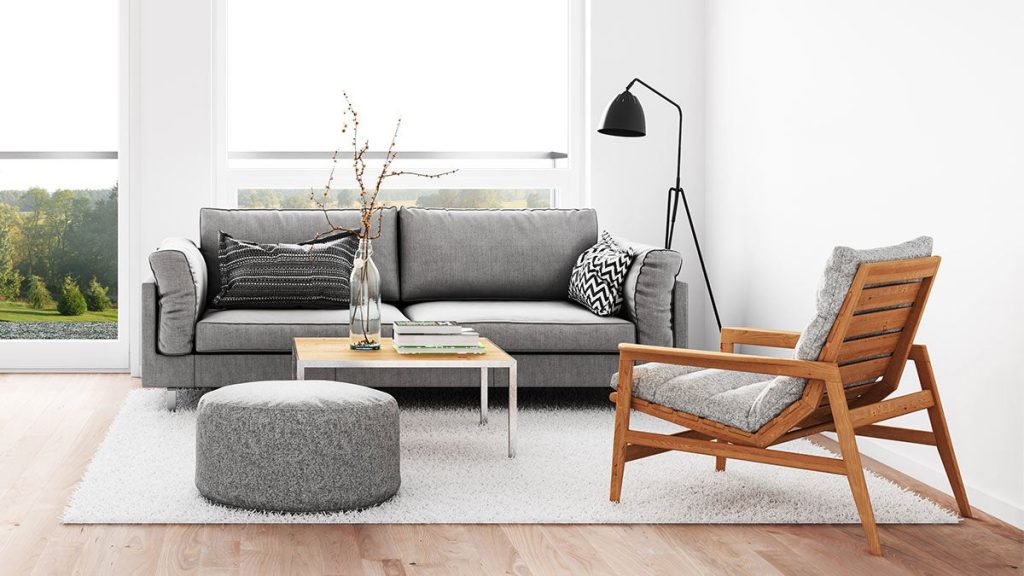
Implementing a minimalist approach can manifest various benefits, enhancing both mental and physical well-being. For instance, reduced stress levels can be achieved through decluttering. Studies have shown that a clean, organized space can lower cortisol levels—especially significant given that many Americans report feeling overwhelmed by their possessions. Imagine walking into a room that exudes calmness, free from the chaos of needless items. It not only makes for a serene atmosphere but also fosters mental clarity.
The emphasis on increased clarity is another cornerstone of minimalism. A simplified environment helps eliminate distractions, allowing for deeper concentration and creativity. Consider entrepreneurs in the tech industry, such as those in Silicon Valley, who often incorporate minimalist designs in their workplaces to promote efficiency and innovative thinking. Such spaces invite a clearer mind, enabling individuals to focus on strategic problem-solving rather than getting lost in clutter.
Furthermore, minimalism can lead to financial freedom. By concentrating on essential purchases and resisting the pull of consumerism, individuals can significantly improve their financial health. For example, a person who practices intentional spending may opt for experiences over material goods, such as travel or workshops that enrich their personal growth. These choices not only reduce monthly expenses but also cultivate a sense of joy that material possessions often fail to deliver.
Nonetheless, implementing a minimalist lifestyle requires self-reflection and intentional choices. You might ponder the question: What items genuinely bring you joy? A helpful exercise is to apply the Marie Kondo method, which encourages individuals to keep only those items that spark joy. Additionally, evaluate your daily habits and ask yourself: How much time do I spend on distractions? This can lead to revelations about the unproductive activities that consume valuable time, such as excessive social media scrolling or mindless television watching.
Moreover, it’s essential to reflect on your expenditures by questioning: Are my expenses aligned with my values? This can be illuminating, especially if you find you’re spending money on things that don’t align with your core beliefs and values, such as subscription services that you rarely use.
Ultimately, the journey toward minimalism is about more than just owning fewer things. It’s about crafting a lifestyle that promotes peace, purpose, and fulfillment. By making intentional choices and understanding the motivations behind them, individuals unlock the potential to lead a rich, meaningful life, leaving behind the chaos of excess. This exploration invites anyone to embark on a transformative journey towards a vibrant and simplified existence.
DISCOVER MORE: Click here to learn how to maximize your space
Understanding Intentional Choices in Minimalism
To fully embrace the principles of minimalism, it is crucial to recognize the significance of intentional choices. Every object we own and every habit we cultivate reflects our priorities and values. Living intentionally means engaging in self-awareness and making conscious decisions that align with our true selves. This fundamental aspect of minimalism invites us to curate our lives carefully, disregarding the notion that more is inherently better.
One of the most pressing issues in American culture is the relentless pursuit of consumerism. Many are caught in a cycle of acquiring items that provide temporary satisfaction but ultimately add to the clutter in our lives. By shifting the focus from consumption to intentionality, we can break this cycle. The process begins with assessing what truly matters in our lives. Notably, minimalism encourages us to ask ourselves a series of penetrating questions:
- What do I truly need? Identifying our core needs can help us distinguish between essential items and mere wants.
- What fosters my happiness? Understanding which possessions or activities truly bring joy allows us to eliminate the superfluous.
- How do my choices reflect my values? Evaluating whether our actions are aligned with our values can guide us towards more fulfilling lifestyle choices.
- What distractions do I encounter? Recognizing external influences that divert our attention from what is significant can aid in crafting a focused, intentional existence.
In this context, the practice of intentional decluttering becomes essential. It’s not just about getting rid of things but intentionally choosing what to keep. Staging a personal inventory can provide clarity, allowing individuals to approach the decluttering process with purpose. Are there items that hold sentimental value, or those that are vital for daily life? This reflective assessment lays the groundwork for reducing possessions that hinder rather than help.
When it comes to finances, the minimalist philosophy encourages us to scrutinize our spending habits closely. Intentional financial decisions form an integral part of a minimalist lifestyle. For instance, a person may find it invaluable to create a budget that prioritizes experiences over acquisitions. Allocating funds towards travel, education, or personal growth opportunities positions individuals to gain lasting fulfillment rather than momentary joy from material goods. In fact, research shows that experiences tend to create more significant happiness than possessions, reinforcing the idea that less is often more.
Incorporating intentional choices is not solely about physical minimalism; it also extends to digital spaces and time management. Are the apps on your phone enhancing your life, or are they just sources of distraction? Is your social media scrolling contributing to your well-being, or is it detracting from your peace? By evaluating and curating our digital presence, we streamline our attention and focus on what adds value to our lives.
Ultimately, the journey towards a minimalist lifestyle demands an inherent commitment to self-awareness and intentionality. Recognizing the power of our choices fosters a healthier and more enriching existence, allowing us to reclaim our time and resources. As we venture down this path, we create an opportunity for depth in our experiences, cultivating a life that mirrors our aspirations and values.
| Advantage | Description |
|---|---|
| Enhanced Focus | By embracing a minimalist lifestyle, individuals can zone in on what truly matters, cutting out distractions that clutter mental space. |
| Financial Freedom | Making intentional choices leads to reduced expenses and better savings management. This brings a sense of financial liberation often associated with minimalism. |
Intentionally crafting a minimalist lifestyle requires commitment and thoughtful decision-making, which goes beyond just decluttering physical spaces. This approach encourages individuals to consider their priorities deeply and align their choices with their true values. For instance, simplifying one’s possessions not only fosters a clean environment but also promotes a state of mental clarity. Additionally, embracing simplicity often paves the way for discovering deeper passions and interests, allowing for a more fulfilling existence.Furthermore, the practice of minimalism can significantly influence one’s emotional health. With fewer material items to organize and maintain, individuals can experience a profound decrease in stress, leading to greater life satisfaction. As you delve deeper into the minimalist philosophy, you’ll uncover how eliminating excess can enhance both your physical surroundings and your overall well-being, guiding you towards a lifestyle that resonates with intentional living.
DISCOVER: Click here for insightful tips on minimalism
Intentional Choices Beyond Possessions
While many associate minimalism primarily with reducing physical possessions, the concept extends far beyond the items we own. Intentional choices can significantly reshape various facets of our lives, creating a comprehensive minimalist lifestyle that influences our emotional and mental well-being. One area where intentionality plays a pivotal role is in our relationships. Evaluating which connections enrich our lives versus those that drain our energy can lead to a more focused and fulfilling social landscape.
It is essential to nurture relationships that are mutually supportive and aligned with our core values. By engaging in intentional relationship-building, individuals can prioritize quality over quantity. This means actively choosing to spend time with those who inspire growth, share similar passions, or simply make us laugh. In contrast, scrutinizing unhealthy friendships or relationships that feel obligatory can open space for genuine connections, ultimately improving our emotional health.
Additionally, the principle of intentionality can apply to our professional lives. Many Americans find themselves in careers that do not align with their personal aspirations or values, often due to societal pressure or financial necessity. Embracing a minimalist approach encourages individuals to reflect on their work lives, leading to career choices that resonate with their genuine interests. This might manifest as seeking out job opportunities that foster creativity, flexibility, or personal fulfillment rather than merely chasing a paycheck.
Moreover, the movement toward a minimalist lifestyle often inspires individuals to rethink their use of time—arguably one of the most precious resources. In a world filled with distractions, intentional time management helps reclaim hours lost to unproductive habits. By conducting an audit of how we spend our time, including the activities that add little value to our lives, we can more effectively allocate our minutes and hours to pursuits that nurture our passions and personal growth.
The influence of technology cannot be overlooked in this context. With smartphones and social media intertwining seamlessly with our daily routines, the potential for distraction is at an all-time high. Thus, making intentional choices about how we engage with technology has become increasingly vital. For instance, implementing digital detoxes or setting boundaries around screen time can liberate individuals from the incessant pull of notifications and the pressure to engage continuously with online platforms. Instead, focusing on in-person interactions or hands-on hobbies enables a richer experience of life.
Furthermore, embracing a minimalist mindset encourages individuals to explore alternative living arrangements, such as co-housing or smaller living spaces, which often foster community and deeper connections. The movement toward tiny homes reflects this trend, as people seek to downsize their living space while enhancing their quality of life. The process of living intentionally in such settings also involves constant reflection and adaptation to ensure that the lifestyle aligns with personal values. This kinetic change often leads to a more profound appreciation for simplicity.
Incorporating these intentional choices, individuals can embrace a multifaceted minimalist lifestyle that encompasses not only their possessions but also their relationships, careers, use of time, and living arrangements. Each composed decision reinforces a cohesive philosophy that values depth over superficiality, ultimately leading to a life of greater clarity and fulfillment.
DISCOVER MORE: Click here for tips on maximizing small spaces
Embracing Intentionality for a Meaningful Life
In conclusion, the journey toward a minimalist lifestyle is less about the mere act of decluttering and more about cultivating a life filled with intentional choices. By embracing intentionality in various aspects—relationships, careers, time management, and living arrangements—individuals can forge a more meaningful existence that resonates with their core values. This holistic approach to minimalism not only enhances emotional and mental well-being but also fosters a sense of community and connection that often eludes those caught in the frenetic pace of modern life.
Adopting such a lifestyle encourages individuals to prioritize experiences over possessions, ultimately leading to a richer life tapestry woven from genuine relationships and fulfilling work. As you consider your own choices, it may be insightful to practice reflective thinking, asking yourself not just what you are letting go of, but what you are inviting into your life.
The importance of intentional choices cannot be overstated; it is through these purposeful decisions that one cultivates clarity amid chaos. By minimizing distractions—whether from material items, toxic relationships, or excessive screen time—you pave the way for a more focused and enriched life. In the end, minimalism is not merely a strategy for reducing clutter; it is a profound philosophy that empowers you to live authentically, respond mindfully to your surroundings, and cherish the simplicity and beauty in both your possessions and experiences.
To fully realize the benefits of a minimalist lifestyle, consider delving deeper into this transformative journey. Engage with community resources, literature, and personal reflections that inspire you to make choices with intention, crafting a life that celebrates depth, purpose, and genuine connections.