Master Intentional Choice Artistry Transform Life with Minimalism

Introduction
In a world overflowing with choices, the art of decision-making becomes increasingly complex. Minimalism emerges as a powerful tool to simplify this process, emphasizing quality over quantity in our lives. By intentionally narrowing our focus, we can not only declutter our physical spaces but also enhance our mental clarity. The concept of minimalism encourages us to eliminate distractions and focus on what truly adds value to our lives.
Understanding how to make intentional choices is crucial for personal organization. Fewer distractions lead to improved productivity and well-being. As we embrace a minimalist mindset, we can identify which elements in our lives truly matter, creating room for what enhances our happiness. Minimalism is not merely about living with less; it is about making room for more meaningful experiences and connections by consciously choosing what we let into our lives.
For instance, consider the impact of minimalism on managing time. With fewer commitments, individuals can dedicate more energy and focus on pursuits that are rewarding and fulfilling. This approach also applies to digital consumption, where selectively choosing content allows for more purposeful engagement and less mental clutter.
The Benefits of Minimalism
- Enhanced Focus: Reducing distractions enables more concentrated attention on important tasks.
- Increased Productivity: A clear workspace and mind can lead to better task completion.
- Better Decision-Making: Being deliberate about choices minimizes indecision and regret.
- Financial Savings: Prioritizing essentials over excess can lead to a healthier financial state.
- Improved Well-Being: Simplifying life reduces stress, promoting mental and emotional health.
This article will guide you through the top 5 ways minimalism can transform your daily life, providing practical insights and actionable tips. Prepare to explore how deliberate decision-making can elevate your existence and foster a more fulfilling lifestyle. As you delve into these strategies, consider how you can embark on your own journey toward a life characterized by simplicity and purpose.
Top 5: The Art of Making Intentional Choices – How Minimalism Can Transform Your Daily Life
In today’s fast-paced world, where distractions abound and consumer culture encourages endless acquisition, minimalism emerges as a beacon of clarity and purpose. It’s not merely about having fewer items; it’s about making intentional choices and living a life aligned with your values and priorities. By choosing minimalism, individuals can significantly transform their daily lives, creating room for what truly matters. Let’s explore the top five ways minimalism can be a game-changer for your everyday experience, encouraging you to declutter not just your physical spaces but also your mind and soul.
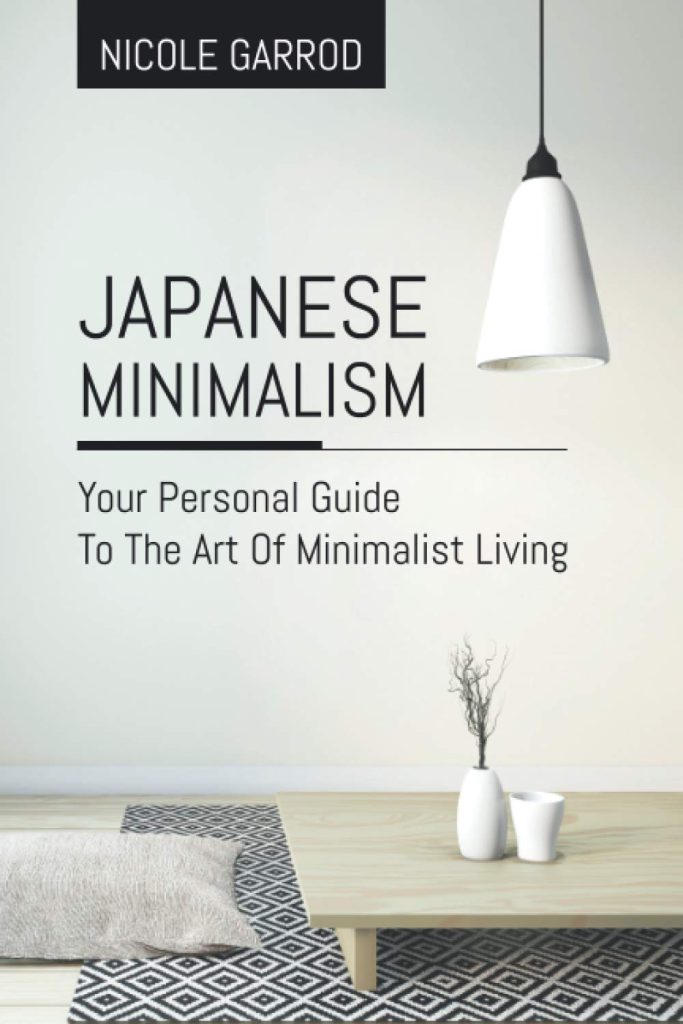
5. Reducing Clutter for Clarity
The first noticeable shift many people experience when embracing minimalism is the reduction in physical clutter. Our surroundings significantly affect our mental states, and a cluttered environment can lead to stress and anxiety. By actively choosing to live with fewer, but more meaningful possessions, you create a tranquil and efficient space conducive to clear thinking.
Interestingly, research conducted by Princeton University Neuroscience Institute found that clutter can inhibit our ability to focus and process information. Transform your space by evaluating each possession with purpose. Ask yourself:
- Do I use this item regularly?
- Does it contribute positively to my quality of life or emotional well-being?
- Would I miss this item if it were gone?
By answering these questions honestly, you not only curate a more functional environment but also foster a mental state that is less distracted and more serene, paving the way for increased productivity and creativity.
4. Prioritizing Experiences Over Things
Minimalism is a paradigm shift from amassing goods to accumulating experiences. Research has shown that experiences provide more lasting joy and satisfaction than material possessions. Experiential purchases, such as travel or learning a new skill, tend to improve personal well-being considerably more than possessions such as the latest smartphone or designer clothing.
This concept is supported by numerous studies, including one by Cornell University, which highlights that interactions and shared experiences with others can create strong bonds and delightful memories. Instead of the transient pleasure derived from physical goods, consider investing in activities that enhance your life and broaden your horizons. A weekend hiking trip or a cooking class can provide a sense of achievement and long-lasting joy.
3. Intentionality in Daily Choices
With minimalism, intentionality becomes a guiding principle in decision-making. This approach helps individuals focus their attention on activities, commitments, and relationships that align with their personal goals and values. It’s about living deliberately and making conscious choices to cultivate a life that reflects your true aspirations.
To practice intentionality, begin by analyzing your daily routines and commitments:
- Which activities genuinely bring you joy or fulfillment?
- Are you nurturing relationships that matter most to you?
- How can your daily actions reflect your core values more accurately?
By examining and adjusting your daily life to resonate with your genuine intentions, you cultivate a more meaningful and focused existence, contributing to overall happiness and personal growth.
2. Financial Freedom through Reduced Spending
Minimalism often leads to financial freedom, offering a liberating shift in perspective from want-driven consumption to need-based living. Many who adopt minimalism find they can drastically cut down on spending, thus freeing resources to be allocated towards enriching experiences or substantial life goals such as investments, education, or travel.
A compelling strategy to optimize finances is the 30-day no-spend challenge. By committing to buy only essential items for a month, individuals often discover the art of distinguishing between needs and wants. This exercise not only aids in financial savings but fosters mindfulness towards spending habits, leading to a more sustainable economic lifestyle.
1. Discovering Your True Self
At the heart of minimalism lies the profound journey of discovering your true self. By eliminating the excess, you are left with what genuinely matters, drawing you closer to an authentic existence. Minimalism encourages introspection and allows you to connect deeply with your interests, values, and aspirations.
This journey can be profoundly facilitated through practices like journaling or meditation, which encourage self-reflection and clarity. By engaging in these reflective practices, you can refine your understanding of what aligns with your identity and make conscious choices that honor your core values.
Ultimately, embracing minimalism is more than just a lifestyle change; it’s a transformative process that can lead to a rewarding and focused life. Whether it’s through reducing clutter, prioritizing experiences, making intentional daily choices, achieving financial freedom, or uncovering your true self, minimalism offers vast potential to nurture a life of purpose and fulfillment.
| Category | Details |
|---|---|
| Intentional Living | Embracing minimalism encourages individuals to make conscious choices about how they spend their time and resources. This intentional approach leads to a more focused and fulfilling life. |
| Emotional Clarity | By reducing clutter, both physical and mental, minimalism fosters emotional clarity, allowing for improved decision-making and a deeper understanding of personal values. |
| Financial Freedom | Adopting a minimalist lifestyle can result in significant financial savings through reduced spending. This enables individuals to invest in experiences and relationships rather than material possessions. |
| Sustainability | Minimalism naturally promotes sustainable living, as it encourages the use of fewer resources and fosters a deeper appreciation for quality over quantity. This mindset can contribute to environmental conservation. |
The concept of intentional living transforms everyday choices into an opportunity for greater satisfaction and significance. Minimalism acts as a tool to clear distractions, guiding individuals towards what genuinely matters. This shift not only enhances the quality of life but also aligns with broader social and environmental values. As one wades through the influx of daily choices, the disciplined application of minimalism brings forth a philosophy that asks not only about what to eliminate, but also about what truly enriches daily routines. The art lies in deciphering these priorities and making decisions that reflect authentic desires and aspirations.
Frequently Asked Questions on Intentional Choices and Minimalism
What is minimalism, and how can it impact my day-to-day life?
Minimalism is not just about having fewer things; it’s a lifestyle choice focused on intentionality. By removing excessive distractions, minimalism encourages clarity and space for what truly matters. In daily life, this can mean increased focus, reduced stress, and greater fulfillment as you align your environment and commitments with your core values.
How can I start practicing minimalism without feeling deprived?
Adopting minimalism should not feel like a punishment or lack. Begin by identifying essentials—items and activities that truly enhance your life. Start small by decluttering one area at a time, and consider adopting the one-in, one-out rule to keep new acquisitions in check. The goal is to create space for more meaningful experiences rather than simply reducing possessions.
Can minimalism be applied to areas other than physical possessions?
Absolutely. Minimalism extends beyond material goods to include areas such as digital life, relationships, and time management. For example, minimizing digital clutter involves organizing files and limiting screen time. In relationships, it could mean cultivating deeper connections with fewer people. With time management, minimalism encourages focusing on tasks that are truly meaningful, eliminating unnecessary obligations that do not align with your priorities.
How does minimalism promote intentional decision-making?
By fostering a mindset where every choice is deliberate and aligned with one’s values, minimalism naturally leads to more intentional decision-making. When you streamline your surroundings and commitments, it becomes easier to focus on quality over quantity and make choices that reflect your true desires and goals.
Is it possible to embrace minimalism with a busy lifestyle?
Yes, minimalism can fit into any lifestyle, even a busy one. It’s about prioritizing what matters and letting go of extra burdens. Implementing minimalism in small steps—such as decluttering a workspace or simplifying your wardrobe—can greatly enhance efficiency and productivity. Remember, with minimalism, every little change can provide significant benefits.
Conclusion: The Power of Intentional Choices through Minimalism
The exploration of intentional choices through minimalism reveals a profound pathway to transforming daily life. Minimalism, at its core, is not merely about reducing possessions but about cultivating a lifestyle that prioritizes purpose and clarity. This philosophy encourages individuals to focus on what truly matters, ultimately leading to enhanced mental and emotional well-being.
Throughout the article, we’ve dissected the five essential pillars of minimalist living: prioritizing essentials, eliminating excess, creating space for meaningful experiences, cultivating mindfulness, and enhancing personal growth. These pillars serve as stepping stones towards a more organized and fulfilled way of living. By intentionally curating our environment and commitments, we can reduce stress, improve focus, and foster a deeper appreciation for simplicity.
By embracing minimalism, individuals can experience a profound shift in mindset. The act of making deliberate choices allows for a clearer understanding of personal values and goals. This shift not only impacts personal spaces but also influences how one engages with time, relationships, and self-care. The clutter-free mindset encouraged by minimalism can lead to a heightened sense of freedom and control, inspiring others to explore this empowering journey.
In conclusion, the art of intentional choice through minimalism invites us to rethink our daily practices, encouraging a more deliberate and meaningful existence. As readers take these insights to heart, they may find themselves not only organizing their physical spaces but also unraveling the potential for genuine happiness and fulfillment. The journey requires contemplation and patience, yet the rewards are undoubtedly transformative, urging us all to continue discovering the nuances of a minimalist lifestyle.