Maximize Small Spaces Minimalist Living Tips for Optimal Living
Introduction
As urban living becomes increasingly popular, the challenge of optimizing small spaces has gained significant attention. Implementing the principles of minimalism can transform these compact environments into functional and aesthetically pleasing homes. By embracing a simpler lifestyle, individuals can not only declutter their physical spaces but also enhance their mental well-being.
This approach to living focuses on prioritizing essentials and letting go of excess possessions, allowing for a more intentional way of life. It encourages a thoughtful examination of what truly adds value to our homes and our lives. With minimalism, every item serves a purpose, leading to cleaner, calmer surroundings.
To get you started on this journey, we’ve compiled a Top 5 list of practical tips designed to maximize small spaces while embodying the essence of minimalism. Each tip is tailored to enhance organization, functionality, and overall comfort. Let’s explore how these strategies can revolutionize your living space.
Maximize Small Spaces: Tips for Living with Minimalism
Living in a small space can often feel like a challenge, yet it’s also an open invitation to embrace creativity and intentionality. By infusing the principles of minimalism into your compact abode, you not only liberate physical space but also experience a newfound mental clarity. Transitioning to a minimalist lifestyle in small living quarters is less about giving up comforts and more about optimizing your environment effectively. Here’s an in-depth exploration of the top five strategies for maximizing small spaces while embracing minimalism.
5. Utilize Vertical Space
In a world where horizontal floor space is a commodity, vertical space becomes your best friend. Leveraging the vertical dimension can radically transform a cramped area into an organized, aesthetic masterpiece. Embracing vertical storage not only serves practical needs but can also be visually appealing, creating focal points that add to the room’s decor. Here’s how to make the most of it:
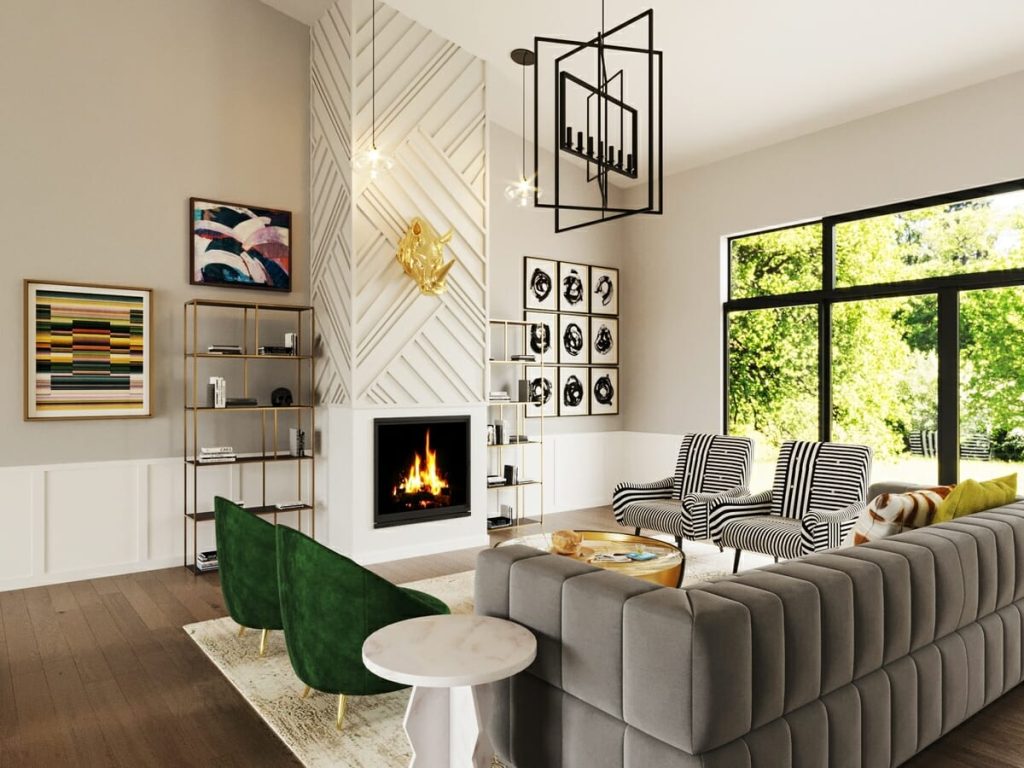
- Wall Shelves: Installing floating shelves is an elegant way to store books, plants, and decorative items. Not only does this save precious floor space, but these shelves can be arranged in creative patterns to add depth and interest to your walls.
- Hooks and Pegboards: Perfect in kitchens and entryways where clutter tends to accumulate, hooks can hold everything from mugs to coats. Pegboards offer customizable storage where you can adjust hooks and baskets according to your changing needs.
- Over-the-Door Solutions: Often-overlooked door spaces can accommodate metal or fabric hooks and pockets, ideal for storing shoes, accessories, or pantry items. These solutions are easy to install and can dramatically increase your storage capacity.
4. Multi-Functional Furniture
In the realm of small living spaces, choosing furniture that serves multiple purposes is a game-changer. Multi-functional pieces offer adaptability and can significantly enhance your living experience by limiting the number of separate items you need. Consider the following versatile furniture:
- Sofa Beds: These provide a comfortable seating solution during the day and seamlessly transition into a bed at night, perfect for small apartments or studios that lack a dedicated guest room.
- Ottoman Storage: Offering both style and functionality, storage ottomans are perfect for hiding away magazines, blankets, or children’s toys while providing additional seating or a footrest.
- Expandable Tables: Compact when closed, these tables can extend to accommodate dinner parties or work-from-home setups, adding flexibility without sacrificing room space when not in use.
3. Declutter Regularly
Decluttering isn’t a one-time event; it’s an ongoing process of letting go of what no longer serves you. For those dwelling in smaller spaces, establishing a regular declutter schedule can prevent your environment from feeling overwhelmed by stuff. Here’s how to consistently keep clutter at bay:
- One In, One Out: Maintain balance by getting rid of an existing item for every new acquisition. This rule helps in keeping possessions at a manageable level rather than leading to accumulation.
- Seasonal Purging: As the seasons change, assess your wardrobe and household items. Donate or sell clothes you haven’t worn and items that have outlived their usefulness.
- Sentimental Items: While it’s important to hold onto cherished memories, keep them in a designated space—such as a memory box rather than dispersed throughout your home.
2. Smart Organization Systems
Maintaining order in a small space requires strategic and smart organization systems. Streamline your belongings by implementing solutions that prioritize accessibility and efficiency without cluttering the environment. Here’s how to get organized:
- Drawer Dividers: Particularly useful in kitchens and bathrooms, these help segregate items such as cutlery or makeup, making them easy to find and preventing drawers from becoming a jumbling mess.
- Clear Bins: Transparent bins allow you to see what’s inside without opening them, bringing ease when searching for specific items while keeping spaces like under-sink or closets tidy.
- Labeling: By clearly labeling storage containers and shelves, you’ll know exactly where things belong, which makes tidying up a quicker and more straightforward task.
1. Embrace Minimalism Mindset
At the heart of optimizing small spaces is the mindset of minimalism. Adopting this philosophy doesn’t just optimize your physical environment—it’s about transforming your entire approach to daily life. Here’s how to nurture a minimalist attitude:
- Intentional Living: Make deliberate choices regarding your possessions, choosing to keep only those items that bring you joy or serve a practical purpose in your life. This fosters a sense of contentment and well-being.
- Value Experiences Over Things: Shift focus from wanting more material possessions to creating experiences and memories. Minimalism encourages more personal growth, investment in relationships, and fulfilling activities.
- Mindful Consumption: Before buying something, ask whether the item truly aligns with your minimalist principles. This critical reflection often leads to more informed and intentional decisions.
Living in a small space doesn’t mean sacrificing happiness or functionality. By adopting a minimalist lifestyle, you cultivate a home environment that reflects your true values and priorities. Minimalism, at its core, is about curating a life that gives you freedom and satisfaction, whether your living quarters are bijou or vast. The key is to lean into intention, so every decision—from the placement of a shelf to the possession of an item—contributes to a life that champions peace, calm, and personal fulfillment.
| Category | Description |
|---|---|
| Space-Saving Furniture | Innovative designs that serve multiple purposes, such as sofa beds and extendable dining tables, allow for flexibility and efficient use of limited space. |
| Decluttering Techniques | Adopting methods such as the KonMari Method encourages individuals to keep only items that “spark joy,” effectively reducing the number of possessions and freeing up valuable space. |
| Vertical Living Solutions | Utilizing vertical space is crucial in compact environments; shelves, wall-mounted storage, and hanging organizers help maximize room efficiency. |
| Natural Light Enhancement | Incorporating mirrors and light colors can amplify the effect of natural light, creating an illusion of a larger space and promoting a more open atmosphere. |
The concept of minimalism is not just a trend; it’s becoming a practical solution for modern living, particularly when it comes to maximizing small spaces. The integration of **space-saving furniture** serves as a prime example of this philosophy in action. These versatile pieces allow homeowners and renters to maintain comfort without sacrificing space. For instance, a cleverly designed hydraulic lift desk can transform from a standard table into a workspace in seconds, adapting to various daily needs.Moreover, **decluttering techniques**, such as the famed KonMari method, have gained traction as effective strategies to embrace minimalism. By thoughtfully evaluating each item in our homes and retaining only those that hold significant value, we can create an environment that is not only organized but also enriching. This practice fosters a deeper connection to our belongings while significantly reducing clutter.In the endeavor to maximize space, a critical approach is the use of **vertical living solutions**. By utilizing walls, residents can create additional storage space that doesn’t infringe upon the floor area. Wall-mounted shelves and hooks can hold everything from books to kitchen utensils, optimizing even the smallest of apartments. Such thoughtful planning can lead to visually appealing solutions that enhance the interior decor.Finally, the role of **natural light enhancement** cannot be overlooked. Light colors, paired with strategically placed mirrors, can illuminate a room, fostering a sense of spaciousness. This combination not only brightens up the environment but also visually expands the limits of any small area, allowing inhabitants to thrive in their minimalist settings. By exploring these methods and embracing the principles of minimalism, individuals can transform their living spaces, creating vibrant and functional environments that resonate with their lifestyles.
Frequently Asked Questions on Maximizing Small Spaces: Tips for Living with Minimalism
What are some effective strategies for maximizing small living spaces?
One effective strategy is to utilize vertical space by installing shelves or cupboards that go up to the ceiling, providing extra storage without taking up floor space. Multifunctional furniture, such as sofa beds or tables with hidden storage, plays a crucial role in minimizing clutter. Additionally, incorporating light colors and mirrors can give the impression of a larger, more open area.
How can I determine which items to keep and which to eliminate while embracing minimalism?
A practical approach is to ask yourself whether each item serves a purpose or brings you joy. The KonMari Method is popular for decluttering, encouraging individuals to keep only items that “spark joy.” Seasonal reviews of your belongings can also help in maintaining an organized space, ensuring you only keep essentials.
Are there specific types of furniture recommended for small spaces?
Furniture that serves multiple functions is ideal for small spaces. Consider items like foldable desks, daybeds, or coffee tables with built-in storage. Wall-mounted furniture can save floor space, and transparent furniture pieces, such as glass tables, can make a room feel less cluttered while still providing functionality.
How can minimalism positively impact mental health and well-being in small spaces?
Living in a clutter-free environment often translates to reduced stress and increased focus, as there are fewer distractions. Minimalism encourages intentional living, which can lead to a greater sense of satisfaction and well-being. A streamlined, organized space can also promote relaxation and boost creativity, making your home a sanctuary from the outside world.
What role does technology play in maximizing space and supporting a minimalist lifestyle?
Technology allows us to reduce physical clutter by storing information digitally. Reading on e-books instead of collecting physical books, using cloud storage for files, and streaming services for media can considerably open up space. Smart home devices can also streamline daily routines, offering convenience without the need for additional gadgets.
Conclusion
In a world where space often comes at a premium, the art of maximizing small living areas is crucial for both functionality and tranquility. This article has explored five key strategies, shedding light on how to live with minimalism while making the most of limited spaces. From downscaling belongings to strategically arranging furniture and embracing multifunctional items, each approach serves to enhance both physical and mental space.
Adopting a minimalist lifestyle underscores a profound commitment to simplicity and efficiency. This not only declutters the home but also the mind, allowing for a more peaceful existence. The emphasis on choosing quality over quantity ensures that every item serves a purpose, bringing value and meaning to everyday life. Moreover, integrating intelligent storage solutions, such as hidden compartments or vertical units, smartly capitalizes on available space while maintaining aesthetic appeal.
The most significant takeaway is the blend of practicality with personal expression. While living minimally involves restraint, it equally allows personalization through carefully selected decor that reflects individual style without overwhelming the senses. Color palette choices, too, play a vital role by creating an illusion of spaciousness and harmony within confined areas.
Ultimately, the principles discussed reflect a broader cultural shift towards sustainability and mindful consumption. It encourages readers to rethink their living environments and explore innovative solutions that fit their lifestyle. By implementing these techniques, individuals can transform their small spaces into efficient, beautiful sanctuaries that support their well-being and align with modern minimalist ideals. As we move forward, the significance of living minimally in small spaces will likely become an essential cornerstone of contemporary living.