Functional Organization Space Optimization Boosts a Minimalist Lifestyle
The modern world is characterized by an overwhelming abundance of possessions, leading many to seek a more intentional and simplified way of living. Functional organization offers a pathway to reclaiming space, ultimately contributing to a minimalist lifestyle that emphasizes quality over quantity. As individuals begin to understand the value of optimizing their environments, they discover new potential for mental clarity and personal freedom.
By adopting strategies for efficient space management, one can reduce clutter and enhance productivity, resulting in a more enjoyable living experience. The relevance of this topic extends beyond mere aesthetics; it is rooted in the principles of mindfulness and intentionality. Minimalism encourages us to examine our possessions critically and make choices that align with our values.
In this article, we will explore the Top 5 techniques to effectively organize your space and foster a minimalist mindset. Each method is designed to help you navigate the complexities of modern living while maximizing the utility of your environment.
Top 5: Functional Organization and the Contribution of Space Optimization to a Minimalist Lifestyle
In today’s consumer-driven society, the widespread celebration of excess often obscures the benefits of living with less. Counteracting this cultural norm is minimalism, a lifestyle that champions simplicity and intentionality. Adopting minimalism focuses on curating one’s life around what truly matters, making the concept of functional organization a powerful tool for achieving a calm and space-efficient home. This article delves into five essential elements of functional organization that underpin a minimalist lifestyle, emphasizing how effectively optimizing space leads to increased mental clarity, tranquility, and well-being.
5. Decluttering: The Foundation of Functional Organization
The practice of decluttering serves as a cornerstone for those seeking to embrace minimalism. This significantly transformative process involves evaluating belongings to discern their true significance and utility. It goes beyond superficial tidying; it’s an introspective journey towards self-understanding and prioritized living.
- Sort items into categories: Systematically evaluate your possessions by dividing them into categories such as keep, donate, and discard.
- Utilize the “spark joy” test: Inspired by Marie Kondo, ask yourself if each item brings joy or serves a purposeful role in your life.
- Addressing room by room: Tackle clutter by focusing on one room at a time to prevent feeling overwhelmed and ensure thoroughness.
The act of decluttering is not only physically liberating but mentally refreshing. By eliminating surplus items and redundant possessions, you make room for items that enhance your living experience and inspire creativity, productivity, and peace.
4. Smart Storage Solutions
Once decluttering has paved the way for clarity, implementing smart storage solutions becomes crucial. Every item should have its own designated space—this sense of order bolsters efficiency and tranquility.
Explore innovative storage options that align with minimalist ideals:
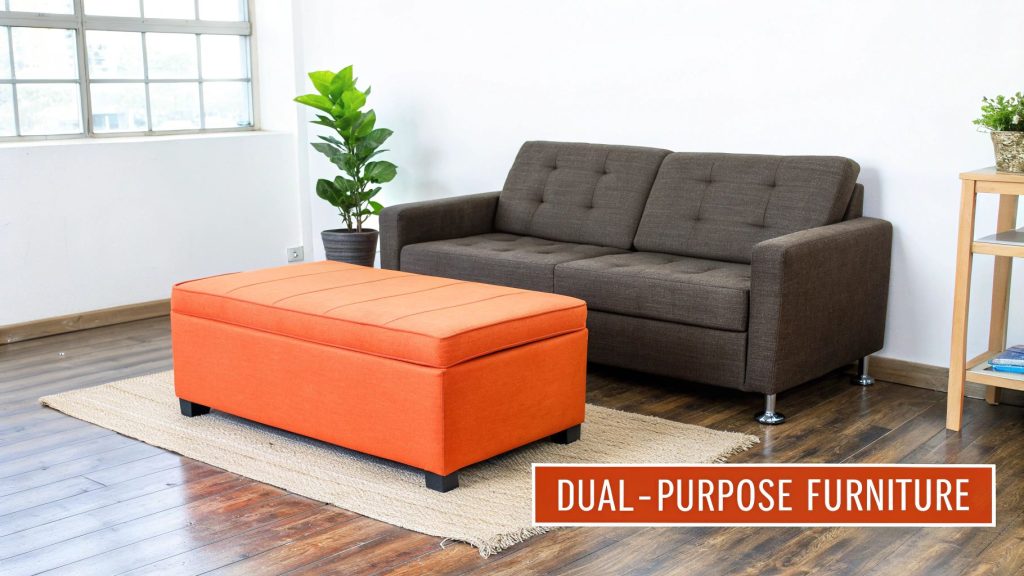
- Multi-functional furniture: Choose pieces with hidden storage capabilities, such as sofas with compartments or extendable coffee tables, to maximize functionality within limited spaces.
- Embrace vertical storage: Utilize often-forgotten vertical spaces by installing ceiling-high shelves or wall-mounted racks to keep surfaces clutter-free.
- Utilize under-bed storage: Incorporate drawers or bins for storing seasonal clothing and infrequently used items to maintain a streamlined environment.
Smart storage leverages every nook and cranny, permitting minimalists to keep surfaces clear while adhering to the “less is more” philosophy. By transforming your space with intelligent storage solutions, you reaffirm the value of your surroundings, abiding by the principle that a tidy space reflects a tidy mind.
3. Zone Organization
One of the creative aspects of functional organization is the strategic establishment of zones. By partitioning your living space into designated areas for specific tasks and activities, you empower a more organised lifestyle structure.
Employ these strategies to implement zone organization:
- Create areas for relaxation: Designate comfortable nooks for reading, meditating, or simply unwinding with purpose and tranquility.
- Define work zones: Ensure that designated areas such as office desks remain clutter-free to enhance focus and productivity.
- Establish cleaning zones: Keep cleaning tools and supplies within reach yet discreet, stored away when not in use to maintain visual simplicity.
Zone organization promotes harmonious living by providing clarity around where activities occur, thus fostering a seamless transition between work, leisure, and daily maintenance tasks. This structure enhances productivity and nurtures a more satisfying, intentional use of time.
2. Minimalist Design Principles
Adhering to minimalist design principles is another essential facet of creating a functional and serene living environment. This approach focuses on the conscious selection of decor, color schemes, and lighting to enhance aesthetic harmony and reinforce the minimalist ethos.
- Neutral color palettes: Opt for a limited range of calming colors that evoke a sense of peace and cohesion throughout your space.
- Simplified decor: Each decorative element should serve a meaningful purpose or evoke sentiment, avoiding needless clutter.
- Emphasize natural light: Maximize the use of windows and light-reflecting surfaces to create an airy and expansive ambiance.
Minimalist design aesthetics are not only about visual appeal; they foster mindfulness and simplicity. The careful curation of design elements ensures that every chosen piece is appreciated for its beauty and function, enhancing your overall living experience.
1. The Power of Habits and Routine
At the heart of functional organization thrives the power of habits and routine. Maintaining a consistent organizational practice is essential for solidifying a minimalist lifestyle, emphasizing routine as a means to preserve both physical and mental serenity.
Cultivate these key habits to uphold your minimalist journey:
- Daily tidying: Dedicate 5-10 minutes each day to returning items to their designated places, helping to maintain a neat environment consistently.
- Weekly assessments: Regularly evaluate possessions and remove those that no longer provide value to avoid re-accumulation.
- Mindful purchasing: Practice the one-in-one-out rule to regulate incoming items and prevent excess from finding its way back into your life.
Strong habits nurture accountability, transitioning organization from a daunting task to an effortless part of daily life. These habits ensure that space optimization remains consistent, bringing long-term benefits in mindfulness, simplicity, and fulfillment.
| Category | Description |
|---|---|
| Space Efficiency | A well-organized space maximizes available areas, promoting a more efficient use of items and reducing clutter. Incorporating smart storage solutions allows for easy access and optimal functionality. |
| Mental Clarity | An organized environment contributes to a significant reduction in stress levels. A clean and functional space can enhance focus and productivity, creating a serene atmosphere conducive to minimalism. |
| Financial Savings | Adopting a minimalistic approach to space leads to fewer purchases, reducing overall expenses. By optimizing space, individuals can invest in quality over quantity, enhancing the longevity of their possessions. |
| Sustainability | Minimizing items contributes to a lower environmental footprint. A functional organization encourages recycling and repurposing, which not only benefits personal space but also the planet by reducing waste. |
The concept of organization often extends far beyond mere aesthetics; it directly intersects with other lifestyle choices and philosophies, particularly minimalism. Each category within this table encapsulates a significant advantage that well-planned space management can yield. The incorporation of efficient space solutions needs to be emphasized. Creative storage methods, such as hidden compartments, wall-mounted units, and multipurpose furniture, reduce visual chaos and enhance the livability of environments.Moreover, mental clarity is often overlooked. A study might reveal that individuals in clutter-free environments can complete tasks up to 30% faster than their cluttered counterparts. The state of one’s immediate surroundings can serve as a reflection of mental space, where minimalism paves the path for increased mental fortitude.Financial implications also need careful consideration. Minimalist practices, driven by efficient organization, can lead to a notable decrease in monthly expenses. By consistently evaluating possessions and prioritizing needs over wants, individuals can redirect resources towards growth opportunities.Lastly, sustainability cannot be ignored in any contemporary discussion on lifestyle choices. Individuals with a penchant for minimalism often find that it aligns with sustainable practices. Through strategic space optimization, people are more likely to consider the lifecycle of their possessions, opting to choose eco-friendly products, supporting local artisans, or investing in durable goods that stand the test of time. In summary, the myriad benefits of functional organization, from personal clarity to global impact, illustrate that the concept of minimalism is not merely about getting rid of excess—it’s about enhancing the quality of life through intentional choices in how we organize our spaces.
Frequently Asked Questions about Functional Organization and Space Optimization
What is space optimization and how does it relate to minimalism?
Space optimization involves the strategic use of available space to increase efficiency and functionality. In the context of a minimalist lifestyle, it means creating an environment that supports simplicity and reduces clutter. By optimizing space, individuals can focus on essential items, leading to a more purposeful and stress-free lifestyle. It’s not just about getting rid of excess, but about designing a life that has room for what truly matters.
How can I start optimizing my space at home?
Begin with a clear assessment of your living areas. Identify spaces that feel disorganized or underutilized. Implement storage solutions like shelving or multi-purpose furniture to maximize functionality. Declutter regularly to ensure that your space is being used efficiently and meaningfully. Remember, the goal is to create a home that’s both practical and serene, supporting a minimalist lifestyle.
What are the key benefits of functional organization?
Functional organization allows you to maximize your living space while minimizing chaos. This contributes to improved mental clarity, as a well-organized environment often leads to less stress and distraction. Moreover, it can enhance productivity and encourage a more intentional way of living. The process of organizing can also uncover hidden spaces in your home, providing opportunities for creativity and personal expression.
Are there specific tools or apps that can help in optimizing space?
Yes, in today’s digital age, there are several tools and mobile apps designed to aid in space optimization and organization. Apps like MagicPlan and Room Planner assist in designing practical layouts, while inventory apps help keep track of belongings. These resources offer new perspectives on organizing, making the process not only efficient but also engaging and personalized.
Can optimizing space really influence my lifestyle significantly?
Absolutely. Space optimization can profoundly impact your lifestyle by fostering a minimalist mindset focused on quality over quantity. This can lead to better financial decisions, as less emphasis on accumulation equals reduced impulsive spending. By fostering a space that aligns with minimalist principles, you create an environment conducive to both personal growth and emotional well-being.
Conclusion
In today’s fast-paced world, the quest for simplicity and organization has become more relevant than ever. Embracing a minimalist lifestyle through functional organization offers a means to achieve both clarity and efficiency in our daily lives. By optimizing spaces, we can significantly reduce clutter, which leads to not just a tidier home but also a more focused mind. The benefits are manifold: less time spent managing belongings, reduced stress, and an increased appreciation for the items we choose to retain.
Throughout this article, we’ve delved into the core principles that revolve around optimizing spaces effectively. The top five takeaways serve as guiding lights for anyone embarking on this transformation. First, we must prioritize distinguishing between essentials and extras, ensuring that every item has purpose and value. Secondly, strategic organization using vertical and hidden storage techniques can drastically enhance available space. Furthermore, maintaining a streamlined environment requires an ongoing commitment to routine decluttering, which prevents buildup and maintains balance.
The mindset shift towards minimalism emphasizes quality over quantity, encouraging individuals to invest in fewer but higher-quality possessions. This not only aligns with sustainable living principles but also fosters a deeper connection with the items we decide to keep. Lastly, recognizing that functional spaces enhance emotional well-being underscores why this lifestyle choice is a valuable pursuit.
By adopting a minimalistic approach through functional organization, individuals are not just transforming their spaces but are also actively contributing to a simpler, more meaningful way of life. The journey toward minimalism offers a multitude of benefits, urging us to continue exploring and refining our spaces and, ultimately, live with intention. For readers curious about incorporating these principles, the path to discovery is just a step away, promising lasting impacts and a fresh perspective on life. With curiosity piqued, the journey toward functional minimalism awaits, offering fulfillment beyond mere tidiness.